More than 2.7 billion total investment volume in the logistics sector and the telecommunications and information technology sector
Year: 2025
More than 2.7 billion total investment volume in the logistics sector and the telecommunications and information technology sector until September 2025
Payment of 1.2 billion Omani Riyals in private sector dues and achieving financial returns exceeding 26.6 million Omani Riyals by the end of August 2025
67% Omanization rate in the information and communication technology sector and 59% in the logistics sector, within technical, specialised, and leadership positions until September 2025
Implementation of 60 projects in the transport sector at a cost exceeding one billion riyals, with 20 projects surpassing 70% completion
More than one million Omani rials in maritime affairs revenues during the year 2025, an increase of 31.24% compared to the year 2024
Signing of a memorandum of understanding to establish the first integrated facility for green methanol production in the Sultanate of Oman
65 million Omani rials total investments in artificial intelligence and 22 startups by 2025
80% performance of the government digital transformation program, 74% digitisation of services, and 96% simplification of procedures by May 2025
The Ministry of Transport, Communications, and Information Technology continues its efforts aimed at developing modern infrastructure in the transport and logistics sectors, supporting the comprehensive development journey in the Sultanate of Oman, and enhancing the efficiency of the business ecosystem across various sectors to achieve the goals of Oman Vision 2040. This year, 2025, has witnessed the implementation of a series of strategic projects and qualitative initiatives that have achieved tangible leaps in the fields of land and maritime transport, in addition to notable progress in the telecommunications and digital transformation sectors.
The size of sector investments in the GDP
The investment in the logistics sector reached more than 2.6 billion Omani Rials by September 2025, while the investment in the telecommunications and information technology sector amounted to approximately 140 million Omani Rials by September 2025. The ministry also paid more than (1.2 billion Omani Riyals) in dues to the private sector for development projects during the period (2020 – 2025), including more than (over 227 million Omani Riyals) from January until the end of August of the current year 2025. These expenditures were largely concentrated in the road network, port infrastructure and maritime affairs, and information technology projects. Additionally, the ministry achieved financial returns exceeding 26.6 million Omani Riyals by the end of August 2025, an increase of 3.3 million Omani Riyals compared to the same period in 2024.
OMR 23.3M
Financial return in 2024
OMR 26.6M
Financial return in 2025
International Indicators
Oman advanced in 2025 in several international indicators related to the sectors of transport, communications, and information technology. In the 2024 e-Government and Mobile Services Maturity Index issued by the United Nations Economic and Social Commission for Western Asia (ESCWA), it improved by 6%. It also moved up 25 positions to become the first Arab country and 50th globally in the 2025 Postal Development Index issued by the Universal Postal Union. Oman ranked first in the West Asia region and ninth globally in the field of open data for 2024. Additionally, it won a seat on the Postal Investment Council for the period from 2025-2029.
The Sultanate of Oman topped the rankings in several axes of the Digital Economy Navigator index issued by the Digital Cooperation Organisation (DCO), achieving first place regionally in the digital inclusion axis, which measures the extent to which all segments of society have access to digital opportunities and meet their diverse needs. It also achieved regional leadership in the gender equality axis of this index. Oman also achieved a perfect score in the Technological Innovation Legislation and Governance axis, receiving a full score of 100 points, while it scored 92.9 points in the Telecommunications and Information Technology Sector Legislation axis, reflecting the readiness of the legislative and regulatory environment to support the growth of the digital economy. The report showed a significant improvement in Oman's performance in most dimensions of the Digital Economy Explorer Index for 2025 compared to 2024, with a 44.5% increase in digital innovation performance, a 36.2% growth in digital inclusion, a 33.5% rise in core ICT activities, and a 29.3% growth in digital financing.
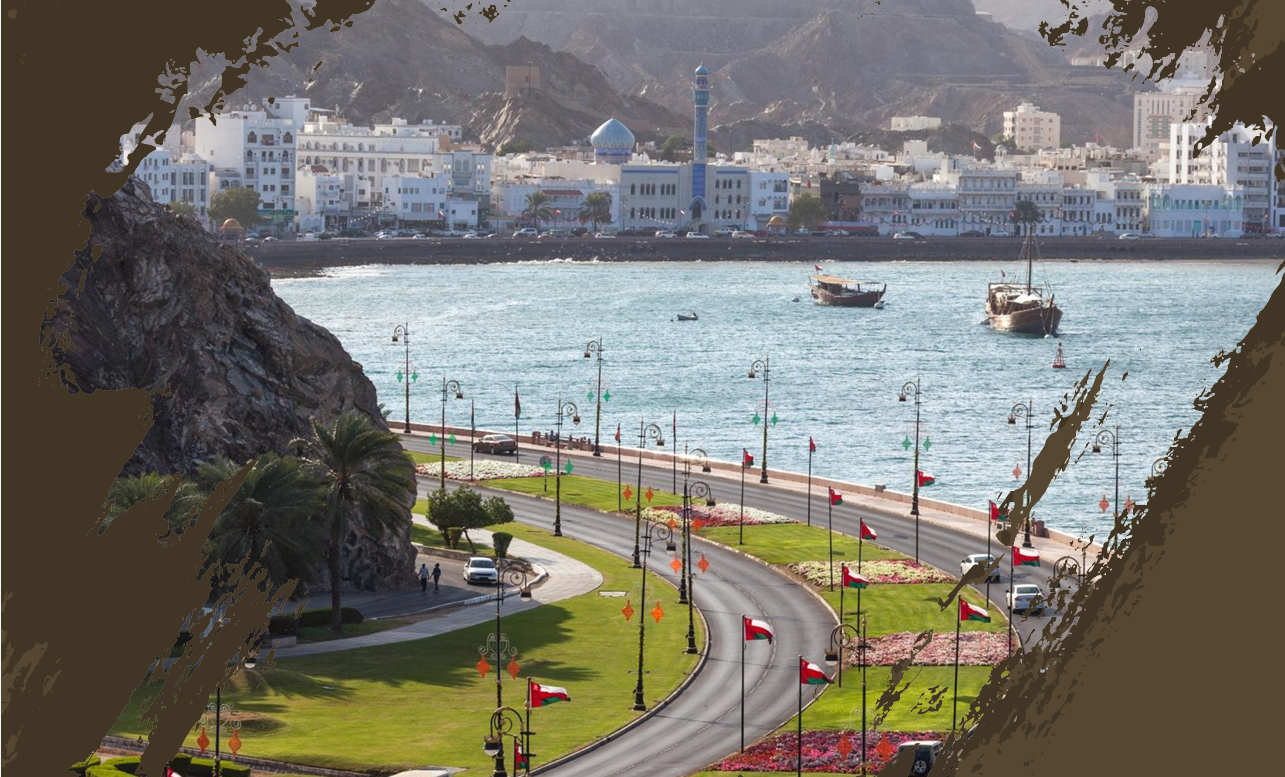
Employment and Omanization
In terms of the employment and Omanization program for the year 2025, the Omanization rate in the information and communication technology sector reached approximately 67% of the total workforce in this sector within technical, specialised, and leadership positions in IT professions across all sectors. The logistics sector recorded an Omanization rate of about 59% by the end of September 2025 in technical, specialised, and leadership positions in the transport and logistics sector. Additionally, the maritime employment initiative contributed to the qualification and employment of 230 Omani sailors, supporting efforts to empower national cadres in various fields of transport and maritime services. Furthermore, the initiative to organise the rapid delivery sector contributed to the employment of 140 individuals. More than 10,000 national competencies were qualified through the "Mukin" initiative to support the labour market with qualified digital cadres during the period from 2021 to 2025. On the other hand, a framework for incentivising local content in the telecommunications and information technology sector has been issued.
Road Projects
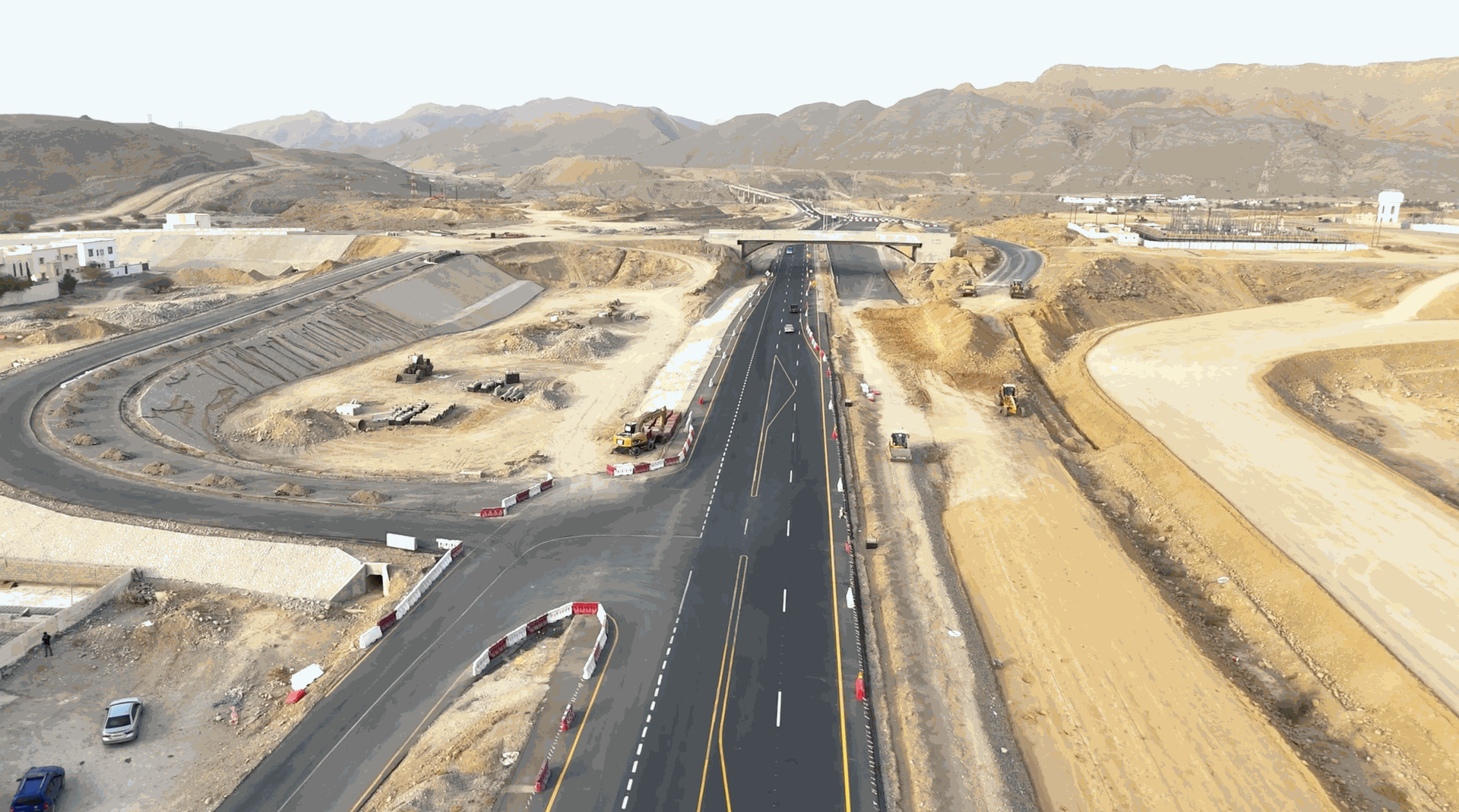
The Ministry of Transport, Communications and Information Technology is racing against time to complete approximately 60 development projects estimated to cost more than OMR 1 billion, including 20 projects that are more than 70% complete. At the forefront of these projects is the completion of the remaining work on the Sultan Turki bin Said project (Al Sharqiyah Expressway – the second part of the complete and comprehensive road to Sur in the South Al Sharqiyah Governorate), which is 74% complete. This is one of the strategic projects that contribute to strengthening the connectivity between the governorates of the Sultanate of Oman and facilitating traffic flow. The completion rate of the Sultan Faisal bin Turki Road project (Dibba – Lima – Khasab Road) reached about 58%, exceeding the planned rate by 6.27%. Work is progressing at a good and rapid pace despite the difficult terrain and complex geological formations. This is one of the vital projects that will connect the Musandam Governorate with the rest of the governorates, which will contribute to stimulating economic and tourist activity.
As part of the completion of vital road projects in the Governorate of Dhofar, the Ministry has begun work on the dualization of the Sultan Said bin Taimur Road for the third, fourth, and fifth sections, while 185 kilometers of asphalt roads out of a total of 210 kilometers have been completed in the Hruib -Maiten project, while 7% of the 30-kilometer Izki-Nizwa-Qarut South road duplication project has been completed.
The Ministry of Transport and Communications raced ahead and signed an agreement for the development of Al-Mouj Road and the associated section of 18 November Road. The project includes adding a third lane on each side of the road from the airport bridge to Al-Ishraq roundabout towards Seeb Beach. It also includes the construction of a bridge and four-way traffic lights at Al-Mouj Roundabout, and the construction of an overpass and underpass for vehicles at the existing Al-Bahja Roundabout.
The project also includes upgrading the Ishraq roundabout to a three-way traffic light with lanes allowing continuous traffic flow towards Seeb Beach, adding a third lane from the Al Mawaj roundabout to the Mawaleh Bridge, and constructing two underpasses for vehicles traveling from the 18th of November Road to the Mawaleh Bridge. The project is expected to contribute to the smooth flow of traffic and boost commercial, economic, and tourist activity. The Ministry also announced that it is in the process of finalizing the procedures for awarding the Muscat Expressway expansion project.
Ports
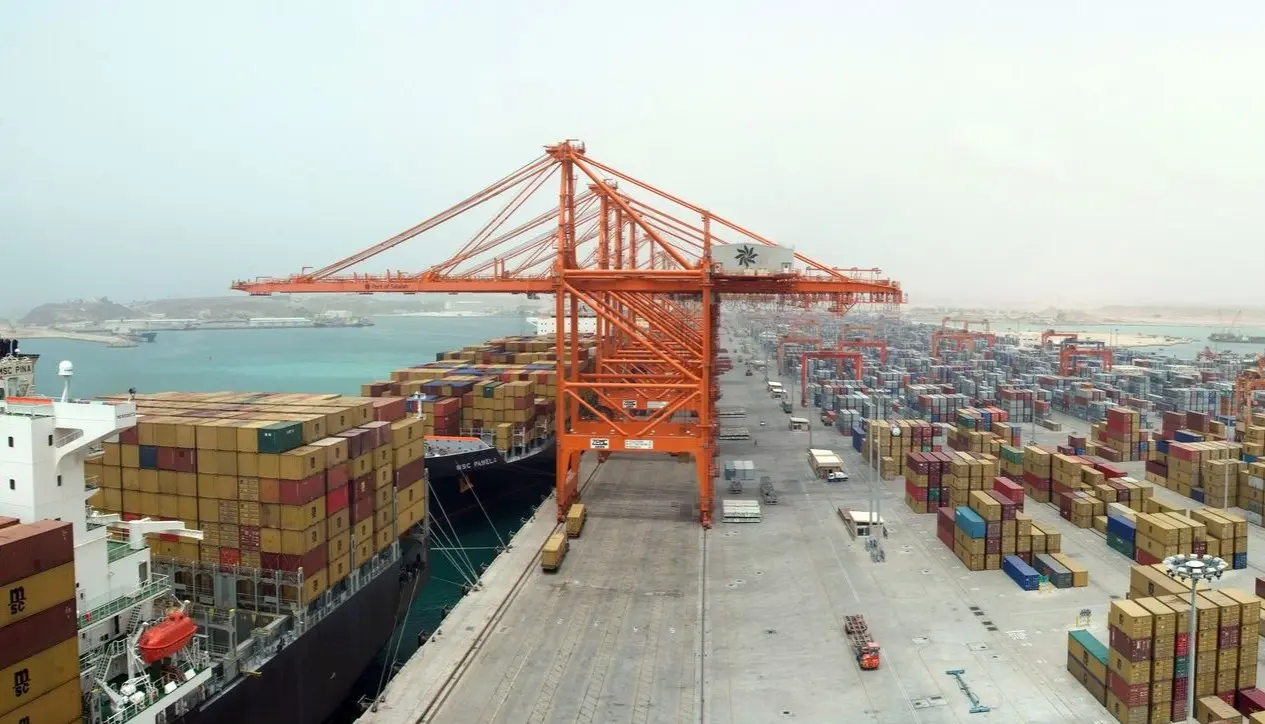
Omani ports contribute to the promotion of local, regional, and international trade, with trade through maritime ports accounting for approximately 66.2% of the total value of exports and imports during the first half of 2025. Exports through sea ports during the first half of 2025 accounted for approximately 74.4% of the total value of exports, while imports through sea ports accounted for approximately 64.9% of the total value of imports, and goods re-exported through sea ports accounted for approximately 47%.
Omani ports saw an 11.3% increase in the number of ships received during the period from January to August 2025 compared to the same period in 2024. Statistics show remarkable growth in the number of containers handled in Omani ports during the period from January to September 2025, with more than 3.8 million standard containers handled compared to 3. 2 million TEUs during the same period in 2024, an increase of 16.4%. Omani ports also witnessed an increase in the volume of cargo handled during the period from January to September 2025, handling more than 105.9 million tons compared to 101.9 million tons during the same period in 2024, an increase of 3.8%.

Land Transport
The number of transactions completed through the Ministry's “Naql” platform reached more than 250,000 by October 2025, with each electronic transaction taking less than two minutes to complete from the time the request was submitted, generating revenues of approximately OMR 8 million. The “Naql” platform currently includes 16 electronic services in the land transport sector, covering several areas, including taxi licenses, bus passenger transport, and freight transport.
Maritime Affairs
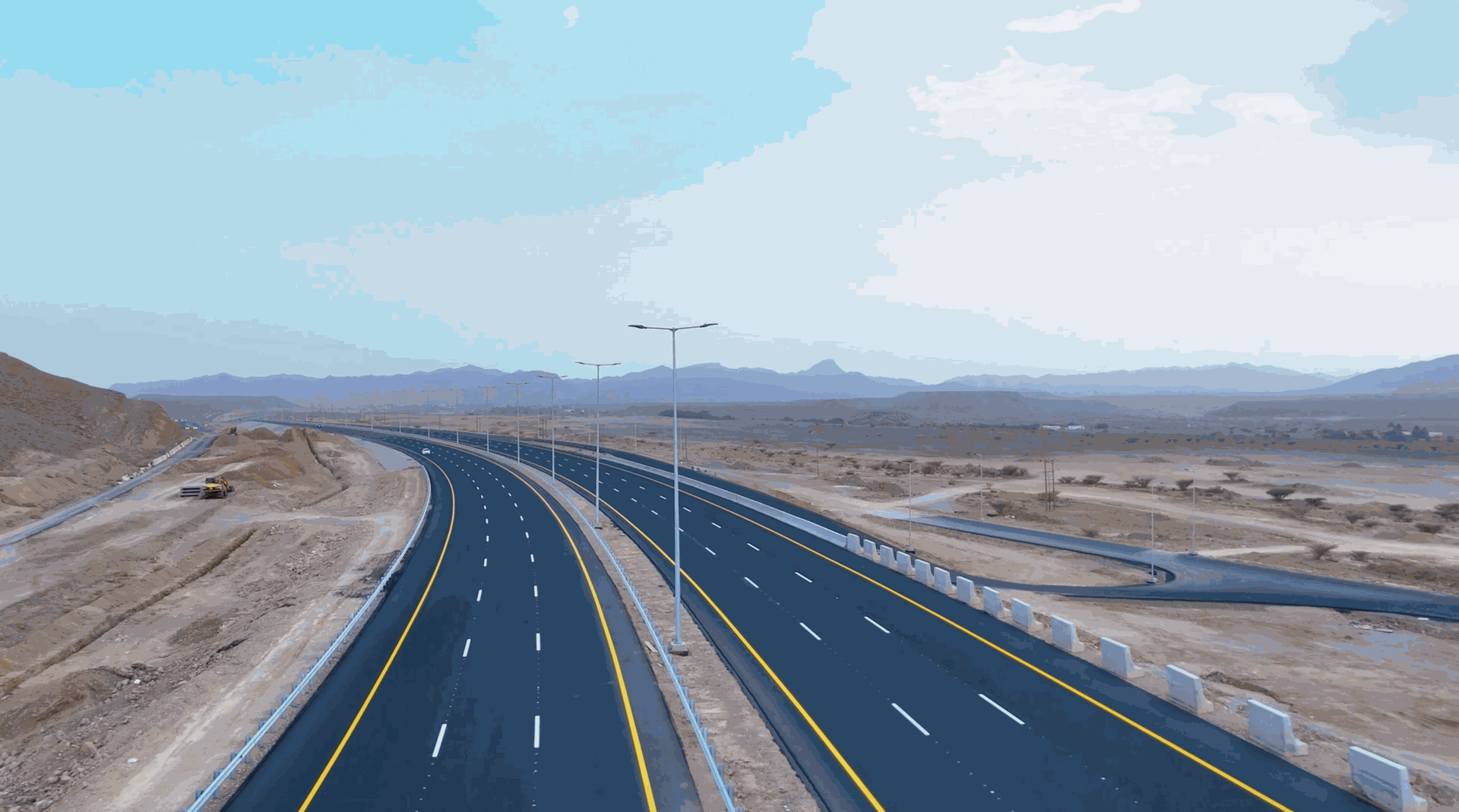
Revenues from maritime affairs amounted to more than OMR 1 million in 2025, an increase of 31.24% over 2024. During the same year, the Ministry issued 212 navigation permits to foreign vessels operating in Omani territorial waters, and the number of ships and maritime units registered under the Omani flag reached , while the number of ships and maritime units that were renewed reached 1,859. The number of certificates issued to seafarers reached 1,011, and the number of licenses for maritime activities reached 1,578.
Artificial intelligence and Advanced Digital Technologies
The ministry launched the initial version of the national language model for generative artificial intelligence as the first specialized national government model, and the globally pioneering Oman Digital Triangle (ODT) initiative in green computing and artificial intelligence data centers, along with the allocation and launch of a special zone for startups specializing in artificial intelligence. The Green AI Alliance was also announced, which supports the development of artificial intelligence while preserving the environment, and the launch and operation of the AI Studio, the National Open Data Portal, and the launch of the second edition of the AI Makers initiative with partner universities.
Investments to support artificial intelligence projects until 2025 amounted to approximately OMR 65 million, and the number of start-ups specializing in artificial intelligence reached about 22 companies by 2025.

Zero Neutrality
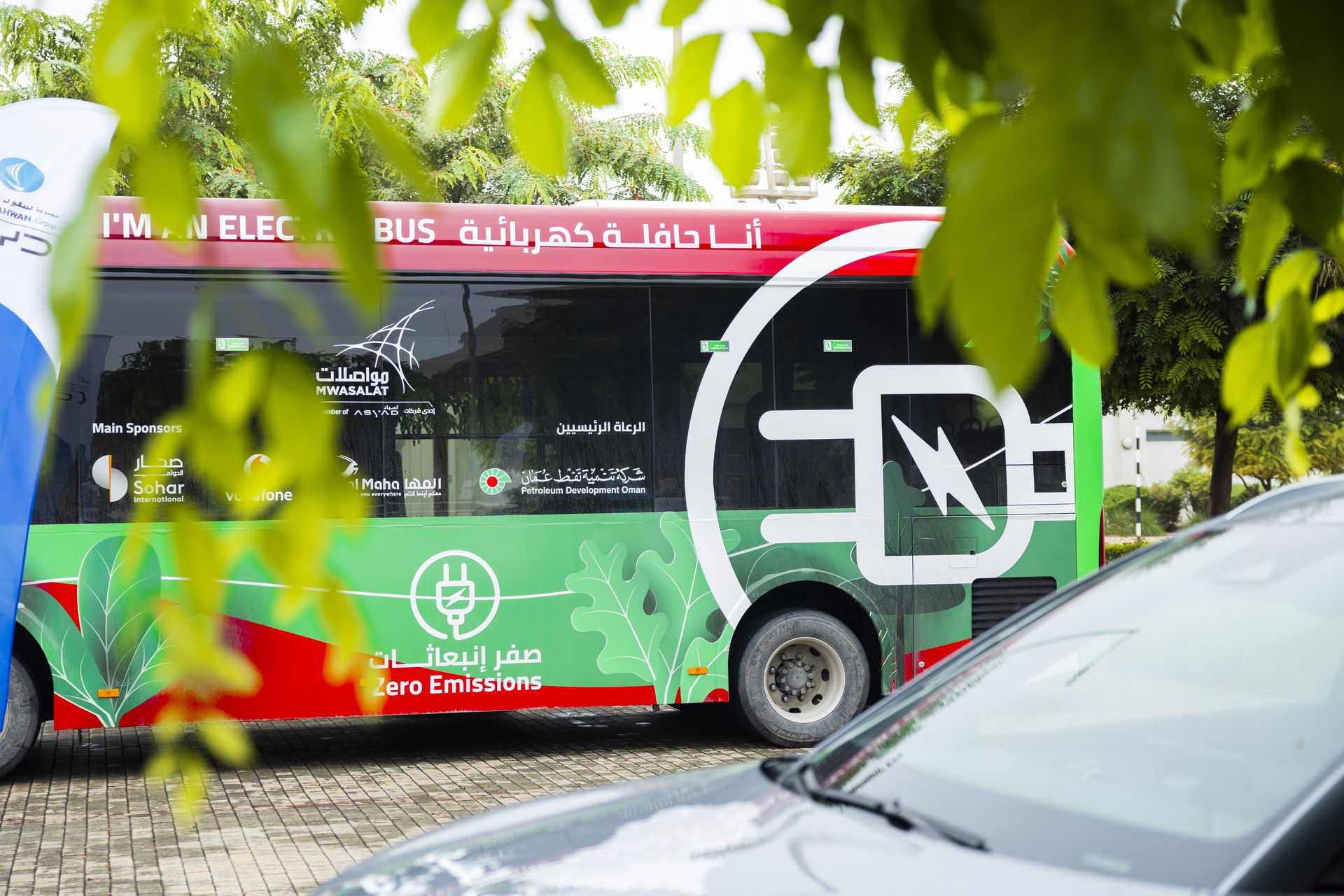
As part of the Ministry's efforts to support the transition to sustainable transport, significant progress has been made in strengthening the infrastructure for electric vehicles, with more than 160 public and private chargers for electric vehicles installed and operational in various governorates of the Sultanate of Oman by the third quarter of 2025, in collaboration with a number of local and international companies. The Ministry also launched the national application for public vehicle chargers, “Shahin,” which allows users to locate chargers, check their operating status, and complete payments electronically.
As part of the Ministry's initiatives to reduce emissions in the heavy transport sector, pioneering projects have been implemented, most notably the operation of the first hydrogen production, supply, and distribution station in the Sultanate of Oman during the first quarter of 2025, in partnership with Shell Oman. The station is the first of its kind in the Middle East. In addition, the first 15 light hydrogen vehicles powered by green hydrogen were put into operation. The Ministry also received the Excellence and Innovation Award at the 26th Gulf Engineering Forum for the first dual-fuel (diesel + hydrogen) truck in the region, which was designed and operated by 100% national staff.
As part of the Ministry's vision to promote sustainable maritime transport, a concession agreement was signed to establish a green ship recycling facility in the Khatma Malaha area and to implement a project to supply ships in the Port of Sohar with electrical power while docked (Shore Power), which will help reduce emissions from ship engines while ships are docked at the port.
The Ministry also signed a memorandum of understanding to establish the first integrated green methanol production facility in the Sultanate of Oman with a consortium of private companies with the aim of developing an integrated center for the production and supply of green methanol to ships in support of efforts to reduce carbon emissions in the maritime shipping sector.
Digital Transformation
In terms of the government's digital transformation program, a unified portal for electronic government services was launched, comprising 30 new services from various agencies. A sign language video library was also launched to support people with special needs. The overall performance of the government digital transformation program reached 80% for the period between 2021 and May 2025, while the digitization rate of government services reached 74% by May 2025, and the rate of government services whose procedures were simplified reached 96% by May 2025.

Space
As part of the Ministry's strategic plans and initiatives to make Oman the regional gateway for space applications that support economic diversification, the Ministry launched the Oman Space Accelerator Program to qualify 10 local start-ups in the space sector, and continues to implement the National Capacity Building Program in the space sector. The number of companies in the space sector has reached approximately 21.

Cybersecurity Industry (Hadatha)
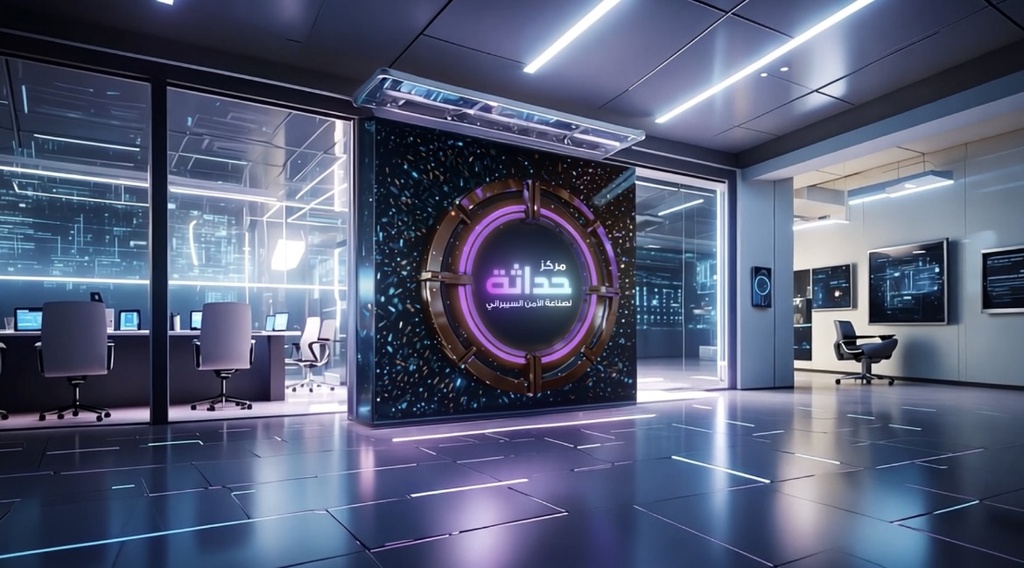
During 2025, the Ministry, represented by the National Information Security Center, launched the new National Electronic Certification Service (Thiqah), which aims to provide users with a secure digital identity to interact with government e-services, and the Cybersecurity Industry Monitoring Center. Two new cybersecurity industry centers were also launched at the University of Technology and Applied Sciences, Sultan Qaboos University, and the Middle East College.
Policies and Legislation
During 2025, the Electronic Transactions Law was issued pursuant to Decree 39/2025, the regulations for government digital transformation under Ministerial Decision 108/2025, and the general policy for the safe and ethical use of artificial intelligence systems, along with the issuance of the regulatory framework for national data governance and management.

Makeen Initiative
Since its launch in September 2022 until November 2025, the Makeen Initiative to equip Omani youth with advanced digital skills has benefited more than 10,000 trainees, including 1,325 trainees from the beginning of 2025 until November of this year. The total number of training and qualification programs reached 124, including 53 programs since the beginning of this year.

Semiconductors and Electronic Chips
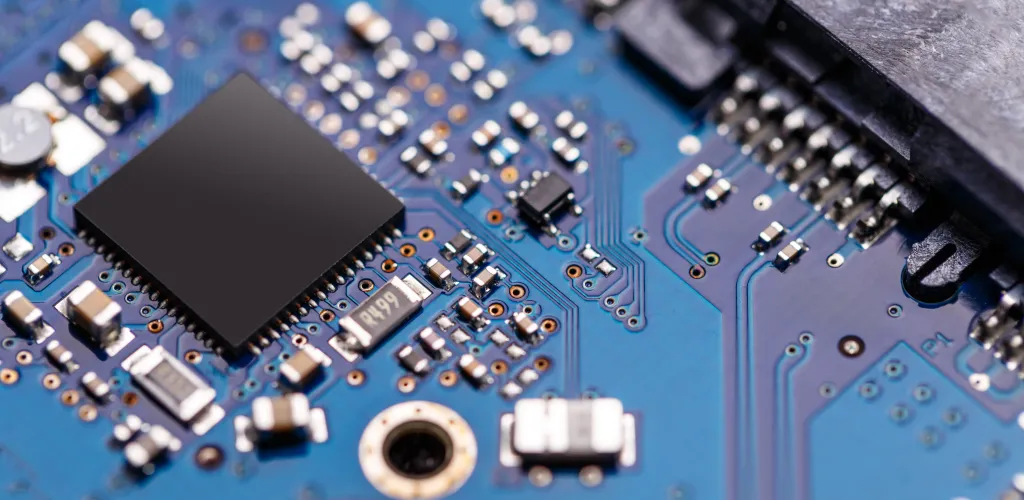
Throughout 2025, the Ministry will continue to implement its digital industry program, which aims to attract strategic investments in the fields of semiconductors and microchip manufacturing, in addition to building specialized national capabilities in this vital industry. The Ministry has signed a memorandum of understanding to develop a project for advanced chips and semiconductors for artificial intelligence in the Salalah Free Zone, in partnership with EON NH Private Holdings and in collaboration with a group of regional and international investment funds.
Work is underway to develop a national program to adopt this industry through integration between public and private sector institutions, including: Including semiconductor curricula in electrical engineering, computer engineering, and similar disciplines; training a number of Omani cadres in this field over the next five years; attracting semiconductor companies to invest in Oman; and establishing a center of excellence in semiconductors.
SAS and Support Programs for Startups
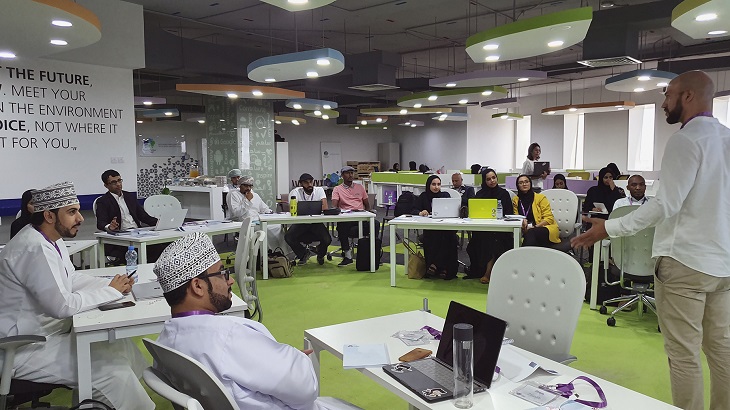
SAS for Digital Innovation works to create a supportive ecosystem for the growth and development of startups and small and medium-sized enterprises, foster a competitive environment that encourages innovation and digital entrepreneurship, and strengthen the legislative environment that supports it. At this stage, the Ministry is focusing on supporting tech startups in their growth phase through a number of initiatives and projects to serve these companies, most notably: Adopting the Oman Startup Hub platform (omanstartuphub.om) and overseeing its relaunch, as the platform is considered a digital interface for the startup ecosystem in the Sultanate of Oman, where startups meet with supporters, investors, and advisors to communicate, collaborate, and exchange knowledge and expertise about the ecosystem. More than 200 startups, 48 incubators/accelerators, and more than $330 million in funding for tech startups have been registered.
The Ministry is also working to implement the “Jadarah” initiative, which aims to facilitate access to and experience of locally developed technology products by government institutions and government-owned companies, and to promote partnership opportunities between the public and private sectors. Since the initiative was launched in 2022, there has been a gradual expansion in the number of participating companies, with 14 companies joining the fourth batch of the Jadarah program during the year. A number of tech solutions have already been tested in real operating environments, along with financial and advisory support to enhance their commercial and technical readiness.
The Ministry also launched the “Nomu” program in 2023, which supports Omani tech startups in their growth phase by providing services that accelerate their growth and expansion in local and regional markets. During the current year, 44 companies were announced as joining the second batch of the Numo program. The program includes specialized workshops and services to promote the products of start-ups, in addition to supporting their participation in regional events and exhibitions and connecting them with various business opportunities to enhance their presence in the market.
Related Reports
Discover NowPersonal Data Protection (Reports)
Year: 2025
The Digital Industry Program 2025
Year: 2025
The Digital Industry Program 2024
Year: 2024
National Space Program Achievements 2023-2025
National Space Program Achievements 2023-2025
Year: 2025 - 2023
حصاد البرنامج الوطني للفضاء
Year: ––
