Local Content Workshop in Ministry Projects
Date Published: 18 February 2026
Toward Achieving a Sustainable National Impact, MTCIT Organises a Local Content Workshop in Ministry Projects
The Ministry of Transport, Communications and Information Technology (MTCIT) today organised a workshop titled “Local Content in Ministry Projects – Consultants, Contractors and Key Partners,” in the presence of His Excellency Eng. Said bin Hamoud Al Maawali, Minister of Transport, Communications and Information Technology, along with a number of Their Excellencies, officials, and interested stakeholders.
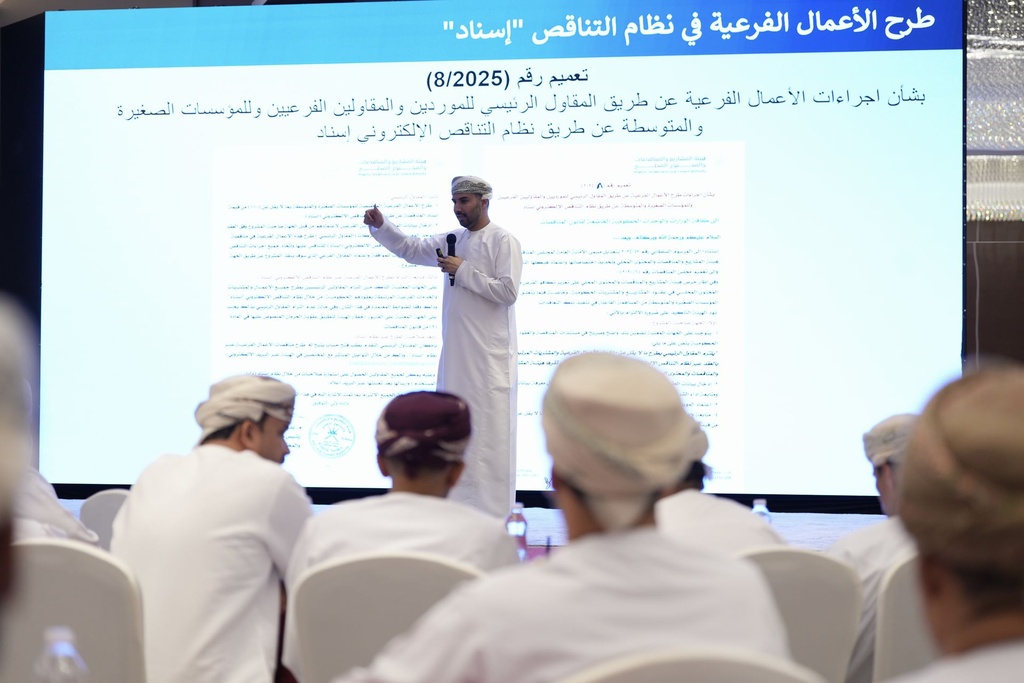
The workshop was held as part of efforts to strengthen partnership and integration between the Ministry and companies implementing its projects, in a manner that supports joint efforts to develop and apply local content requirements, and to entrench its role as a key driver in achieving sustainable added value for the national economy.
The workshop aimed to emphasise the importance of local content in transport projects as one of the main pillars for achieving national impact, in addition to clarifying the roles and responsibilities of the various project stakeholders to ensure effective integration in implementation. It also highlighted the role of contractors and consultants as key partners in achieving local content targets, while providing an open dialogue platform to discuss practical challenges and review proposed ideas and development solutions.
His Excellency Eng. Said bin Hamoud Al Maawali opened the workshop with a keynote address in which he stressed that enhancing local content in the Ministry’s projects represents a strategic priority that contributes to supporting the national economy, empowering Omani competencies, and maximising the added value of development projects. He also emphasised the importance of integrating efforts among all partners to ensure the achievement of sustainable development targets.
The workshop addressed the concept of local content and its economic and developmental dimensions, in addition to the key pillars for achieving sustainable economic development. These included strengthening the national economy, localising industries related to the transport sector, creating sustainable employment opportunities for citizens, and developing human capital to lead the roads sector.
It also highlighted the importance of cooperation between government entities, consultants, and contractors by aligning policies with practical realities, and translating local content requirements into clear, measurable technical and contractual provisions, thereby enhancing levels of compliance and improving implementation efficiency.
A dedicated session focused on the role of contractors in achieving local content targets, emphasising the prioritisation of local suppliers and manufacturers when procuring materials and equipment, identifying high-quality national alternatives, and attracting and employing national competencies across various project levels. The session also highlighted the importance of technical training and knowledge transfer to ensure skills sustainability, adherence to specified local content ratios, and efforts to develop and empower small and medium enterprises.
Related News
Discover Now
Tender Announced for Phases 3 & 4 of Sinaw–Mahout–Duqm Road Project
Date Published: 07 April 2025
MTCIT Minister Reviews Road Projects & Digital Plans in Al Dakhiliyah
Date Published: 08 May 2025

The Minister of Transport, Communications, and Information Technology Meets His Counterparts from Bahrain, Iraq, and...
Date Published: 01 September 2025
Awarding of Contracts for Completion of Remaining Works on Sultan Said bin Taimour Dual Carriageway...
Date Published: 02 October 2025

MTCIT Settles Over OMR 1.2 Billion in Private-Sector Dues by End of August
Date Published: 16 October 2025
With an Investment of OMR 152,000… Al Wusta Roads Department Enhances Transport Network Through Ongoing...
Date Published: 26 October 2025
Awarding of the Al Mouj Road Development Project and the Connected Section of 18th November...
Date Published: 28 October 2025
49.6% Completion of the Design and Construction of Aqabat Afri Road and Al-Saqari Village Road...
Date Published: 03 November 2025
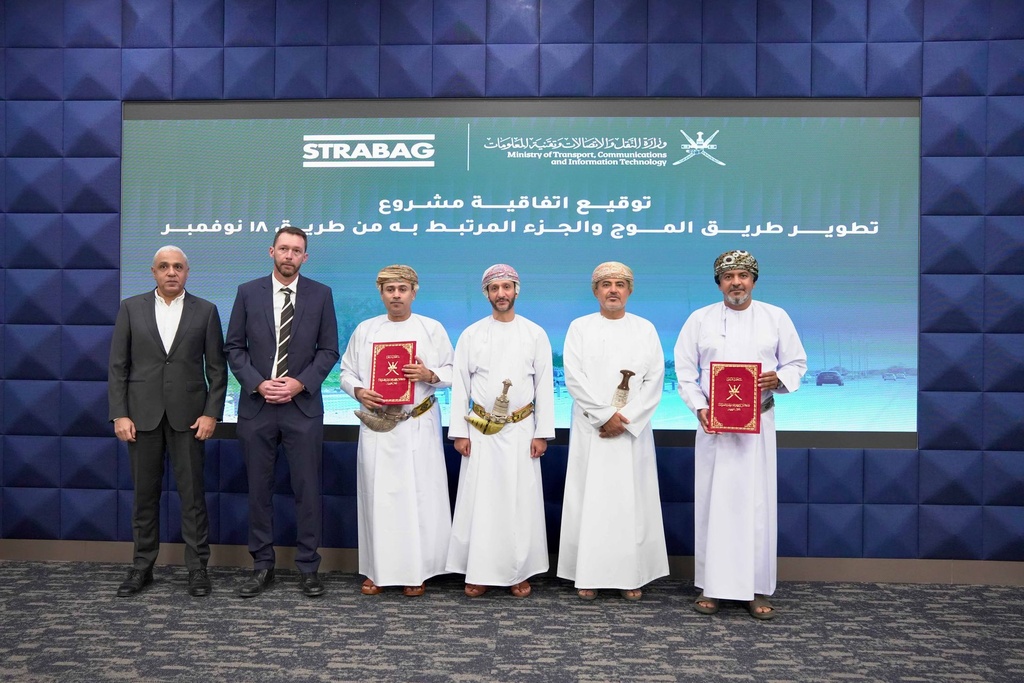
Signing of the Al Mouj Road Development Project Agreement and the Associated Section of 18th...
Date Published: 09 November 2025
The curtain falls on the 33rd edition of the COMEX Global Technology Exhibition 2024
Date Published: 01 June 2024

50% Completion Achieved in Wadi Bani Khalid Escarpment Road Project
Date Published: 24 December 2025
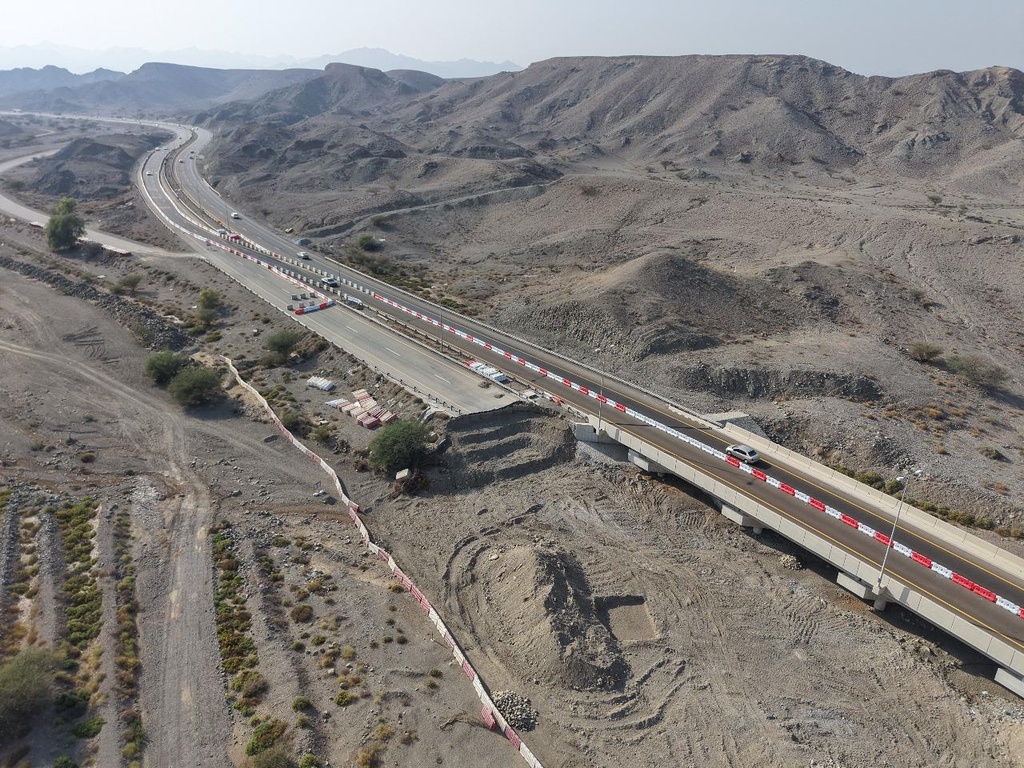
Over OMR 6 Million Allocated for the Construction of Five New Bridges on the Sohar–Al...
Date Published: 24 December 2025

60% Completion Achieved on Aqabat Aafri Road and Al Saqari Village Road Project in Al...
Date Published: 01 January 2026

Launching the Second Phase of the Virtual Tour Feature on Google Maps
Date Published: 14 January 2026

12% Completion Achieved in the Rehabilitation of the Existing Road from Al Hazm to Al...
Date Published: 05 February 2026
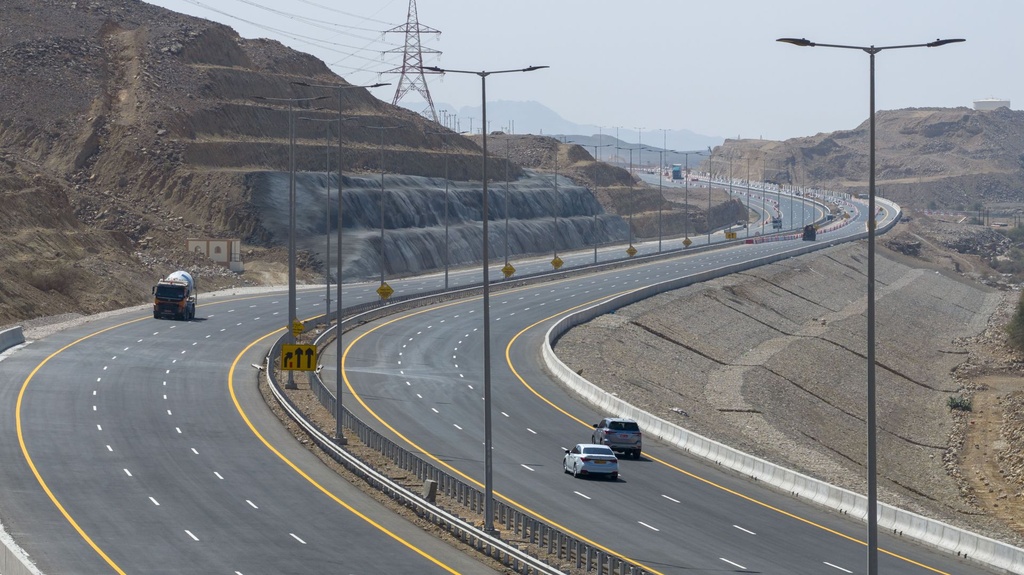
Sultan Turki bin Said Dual Carriageway – Phase 2 Opening (Al Kamil & Al Wafi...
Date Published: 11 February 2026

MTCIT showcases the importance of "DBFOT" investment road projects.
Date Published: 09 March 2026

75.2% Completion Achieved on Gas Roundabout–Bilad Sur Road Dualisation Project
Date Published: 23 April 2026

MTCIT wins "Gold" in the Environmental and Social Governance Award
Date Published: 17 May 2026
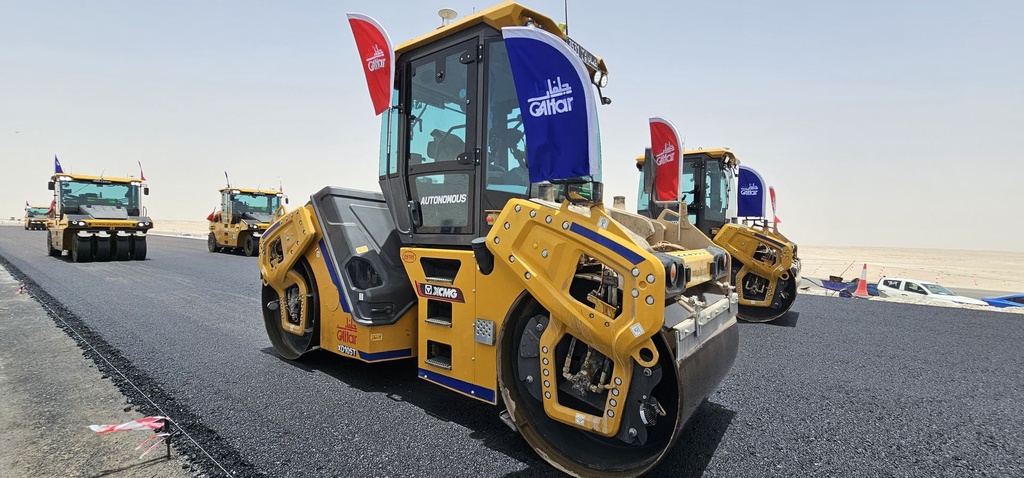
For the first time in the Sultanate of Oman: Launch of AI-powered autonomous asphalt paving...
Date Published: 20 May 2026
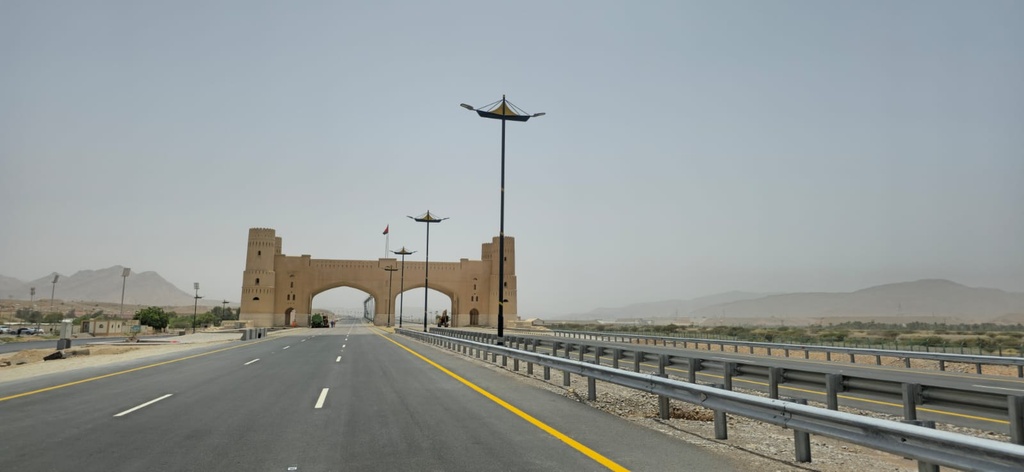
MTCIT Opens New 7-Kilometre Stretch of Sultan Turki bin Said Road Project
Date Published: 21 May 2026



More than OMR 200 Million in Local Content in Road Projects
Date Published: 28 September 2026
