Commencement of Training Programmes under the “Ertiqaa” Programme to Empower National Competencies in Government Digital Transformation
Date Published: 20 January 2026
Muscat, 20 January 2026 – The Ministry of Transport, Communications and Information Technology, represented by the Directorate General of Digital Transformation and Sector Enablement, has announced the commencement of the training programmes under the “Ertiqaa” Programme to empower national competencies in government digital transformation.
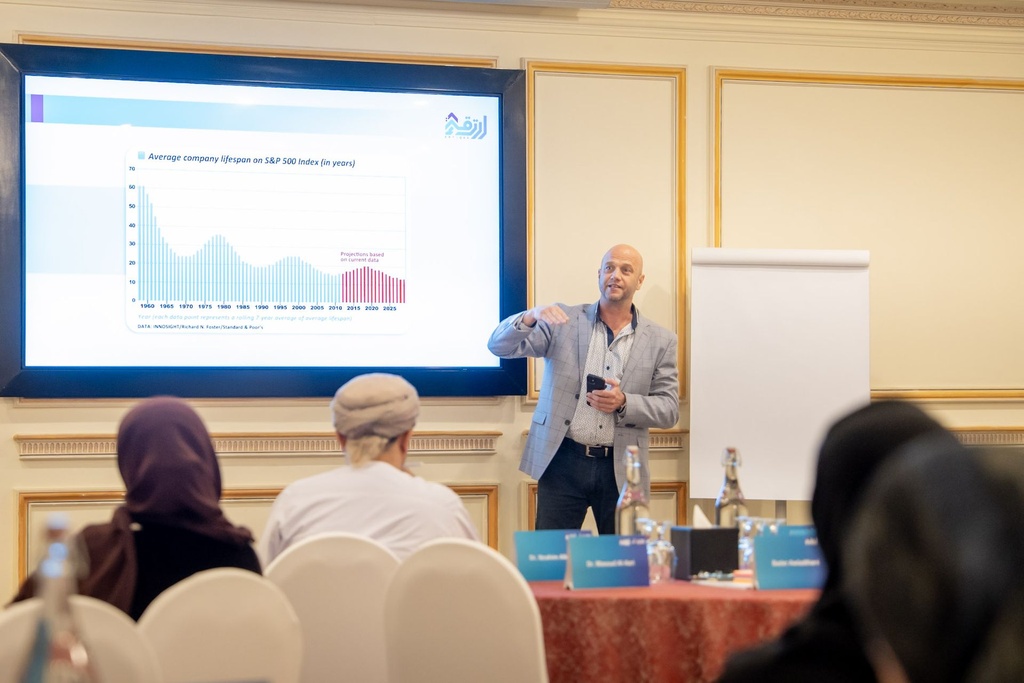
The training programme, which targets Heads of Digital Transformation Teams and executive teams, will run for six months and deliver integrated training solutions that support continuous learning through a series of high-quality initiatives. These initiatives combine in-person and virtual sessions, case studies, practical applications, interactive simulations, discussions and dialogue sessions. The programme aims to sustain knowledge, promote the adoption of best practices in digital transformation, and build a flexible and innovative administrative system capable of anticipating future needs, keeping pace with global developments, and leveraging advanced technologies in the government sector. This aligns with the objectives of Oman Vision 2040 and forms part of the Sultanate of Oman’s broader efforts to enhance government digital transformation and develop national competencies qualified to lead this transformation.
The training programmes target senior leadership, Heads of Digital Transformation Teams, and executive teams across government entities. Participants will be trained in cohorts across different phases, with the objective of enabling them to lead digital transformation projects, translate digital strategies into implementable initiatives and projects, and establish governance frameworks and roadmaps to empower national capabilities in government digital transformation. The programmes also seek to enhance institutional readiness to adopt modern technologies such as artificial intelligence, the Internet of Things and blockchain, while strengthening digital risk management and leading institutional change in innovative ways aligned with global trends. In addition, the programmes provide supportive solutions and tools to ensure knowledge sustainability and the adoption of best practices in digital transformation. Participants will receive certificates of recognition upon completion of the programme.
The training programmes are structured around diverse thematic areas that highlight the importance of government digital transformation, modern technologies and their strategic implications, and the anticipation of future scenarios and digital challenges such as cybersecurity, digital sovereignty and artificial intelligence. The programmes also focus on developing leadership capabilities, change management, and fostering a culture of innovation and institutional agility. They further cover the application of emerging technologies in government operations and data analysis to transform technical outputs into tangible value that supports decision-making, as well as stakeholder management and coordination among government entities to strengthen the “One Government” approach. This contributes to achieving measurable impact from digital transformation at the institutional performance level and to effectively implementing digital strategies through executable initiatives and projects. The training programmes will contribute to equipping leaders and work teams with advanced digital skills that enable them to lead transformation and make data-driven decisions. They aim to bridge the gap between existing skills and those required to keep pace with rapid developments in digital transformation, accelerate the implementation of digital transformation plans, and apply best practices. The programmes also support the adoption of a culture of digital innovation and contribute to achieving Oman Vision 2040’s priority of establishing a flexible, innovative and future-ready government. This includes applying advanced solutions that enhance productivity, improve operational efficiency, increase revenues, and improve the business environment, in addition to strengthening transparency, increasing community participation, enhancing trust between the government and citizens, delivering high-quality services, and raising beneficiary satisfaction with digital government services.
Related News
Discover Now
Oman Participates in 27th GCC e-Government Executive Committee Meeting
Date Published: 26 May 2025


Promoting Digital Inclusion: Launch of the Digital Accessibility Guideline
Date Published: 15 May 2025
The Minister of Transport, Communications, and Information Technology Meets His Counterparts from Bahrain, Iraq, and...
Date Published: 01 September 2025
Next Week: Launch of the Global Technology Exhibition “COMEX 2025”
Date Published: 04 September 2025
Launch of COMEX 2025: Announcement of the Green Artificial Intelligence Alliance and Unveiling of the...
Date Published: 08 September 2025

A World of Innovation and Excellence: The Ministry of Transport, Communications and Information Technology Captures...
Date Published: 09 September 2025
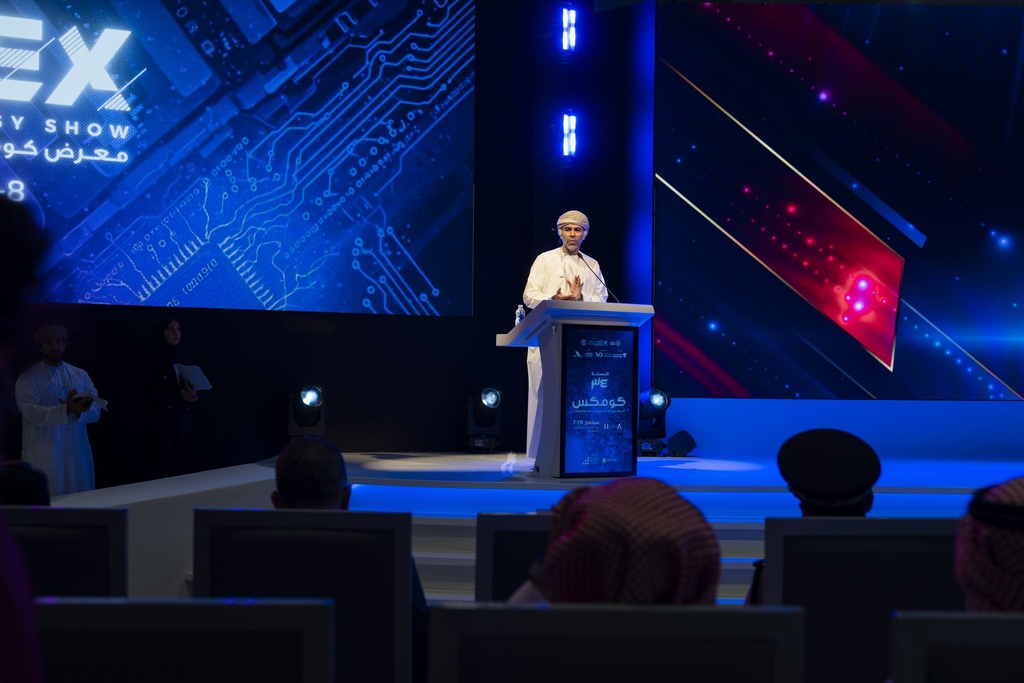
With an increase of 45%, COMEX 2025 agreements were valued at OMR 116 million
Date Published: 20 September 2025
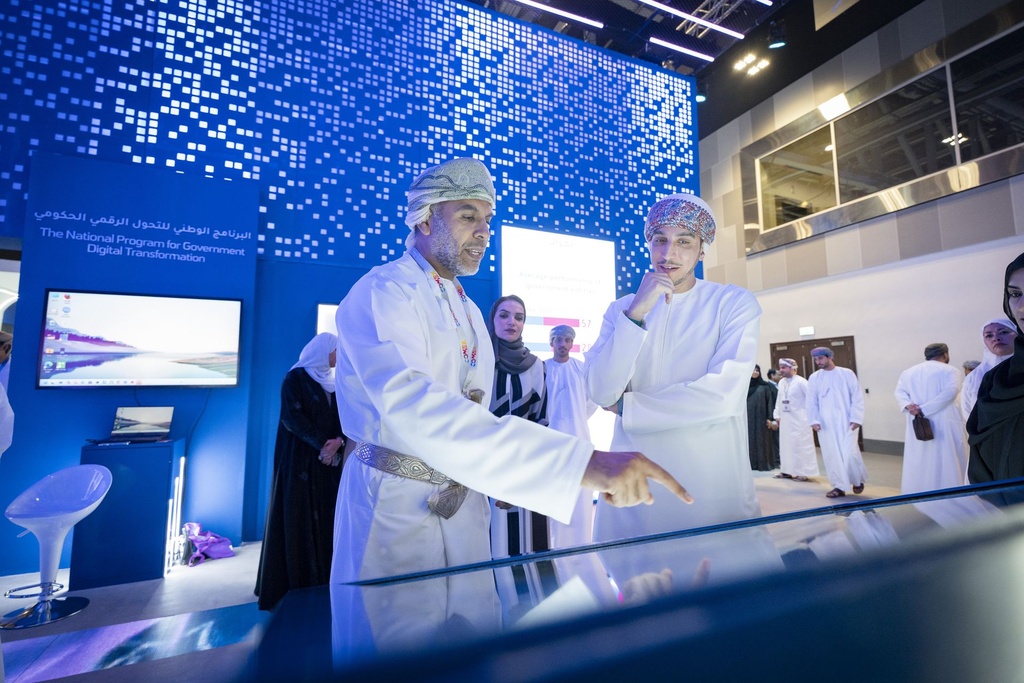
Launch of the “Irtiqa” Program to Empower National Talents in Government Digital Transformation
Date Published: 21 September 2025
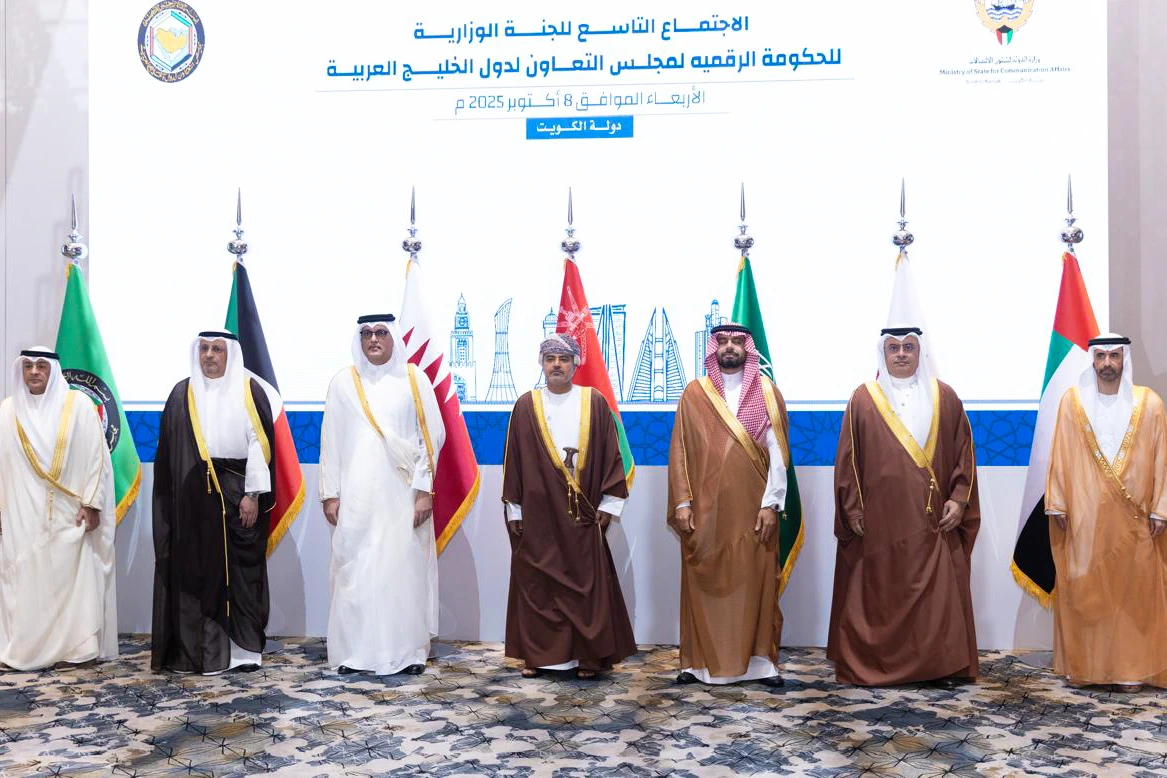
Oman Participates in the 29th GCC Ministerial Meeting for Communications and Postal Affairs and the...
Date Published: 08 October 2025

MTCIT organises an open data meeting to enhance transparency and support digital transformation
Date Published: 19 November 2025

The Governorates of Muscat and Al Dakhiliyah continue their efforts in digital service empowerment by...
Date Published: 03 December 2025
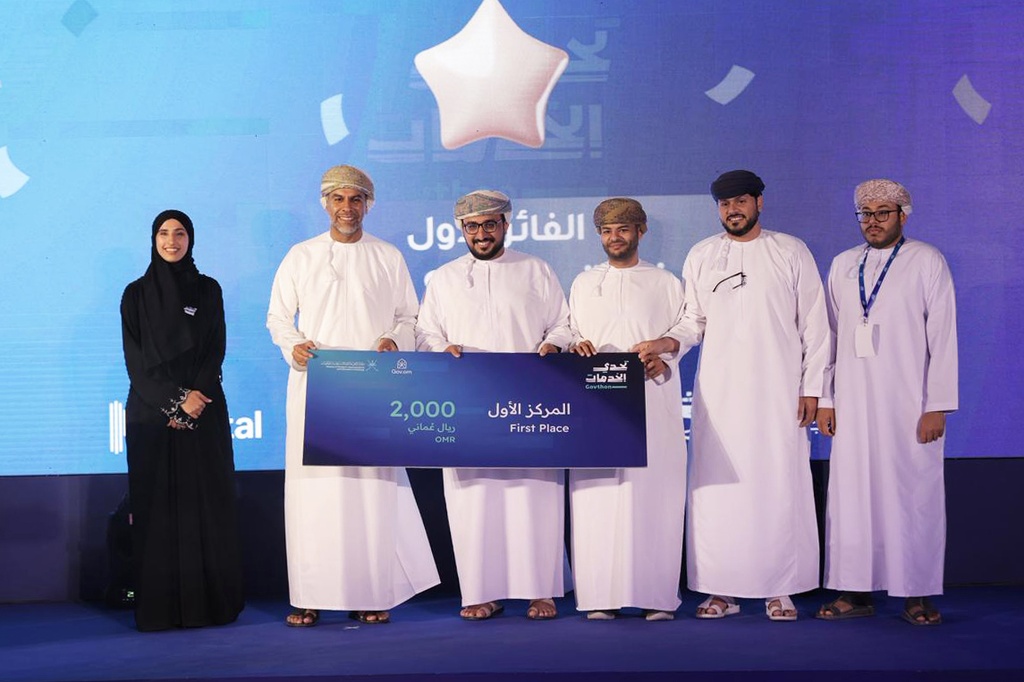
Conclusion of the "2025 Services Challenge" hackathon and awarding the winning teams
Date Published: 04 December 2025
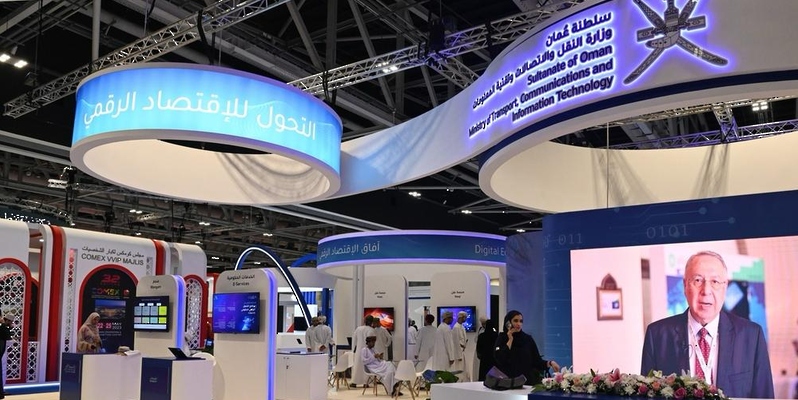
The curtain falls on the 33rd edition of the COMEX Global Technology Exhibition 2024
Date Published: 01 June 2024
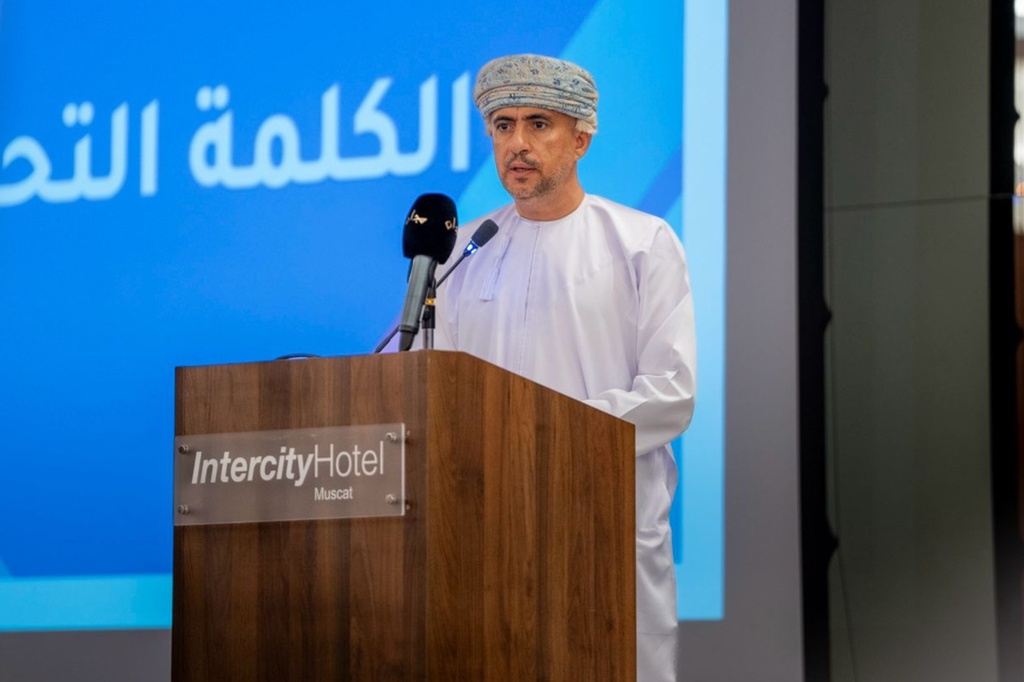
MTCIT launches a framework and tools for change management in government digital transformation
Date Published: 17 December 2025

MTCIT Announces Closure of Registrations for the Second Edition of the Digital Excellence Award in...
Date Published: 24 December 2025
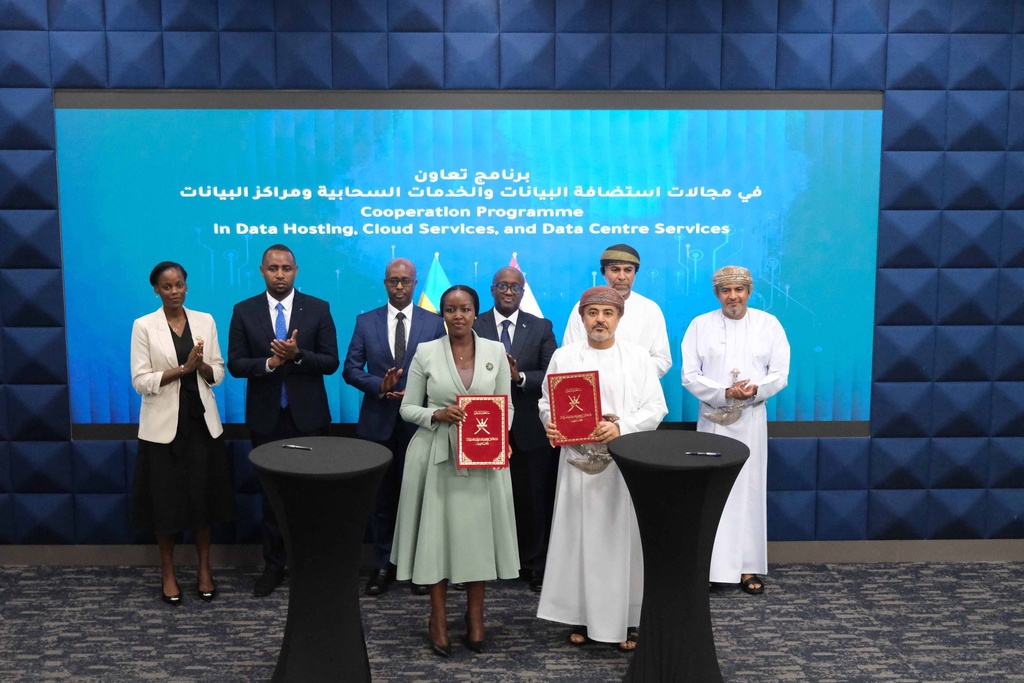
The Sultanate of Oman and the Republic of Rwanda Sign Four Cooperation Agreements
Date Published: 11 January 2026

Launch of the Future Readiness Leadership Forum under the National Programme “Irtiqaa”
Date Published: 01 February 2026
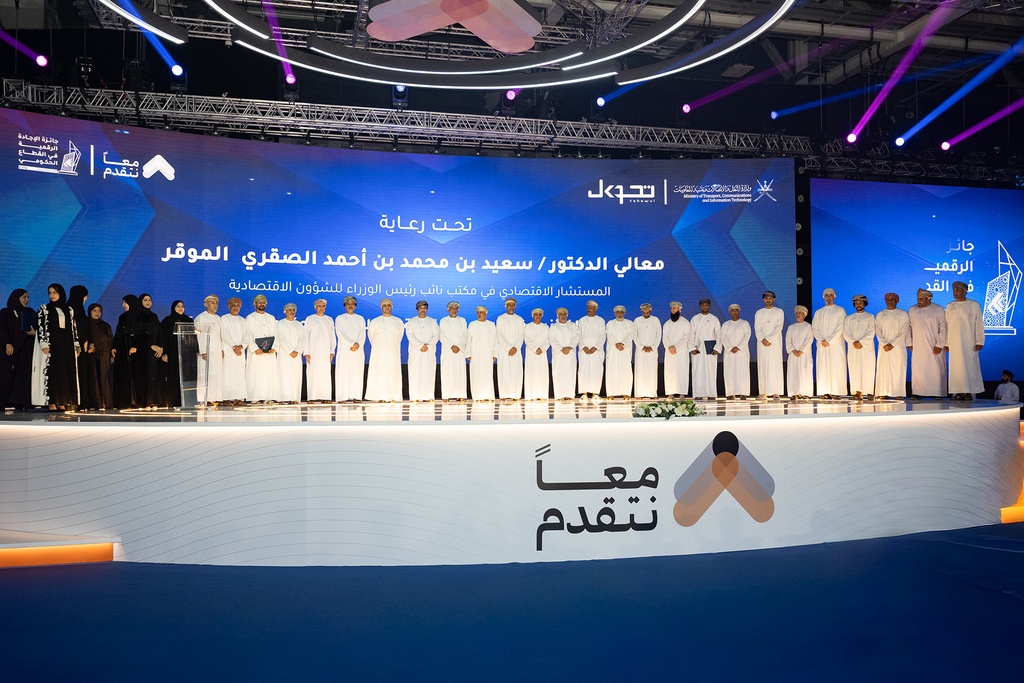
Winners Announced for the Second Edition of the Government Digital Excellence Award 2025
Date Published: 08 February 2026
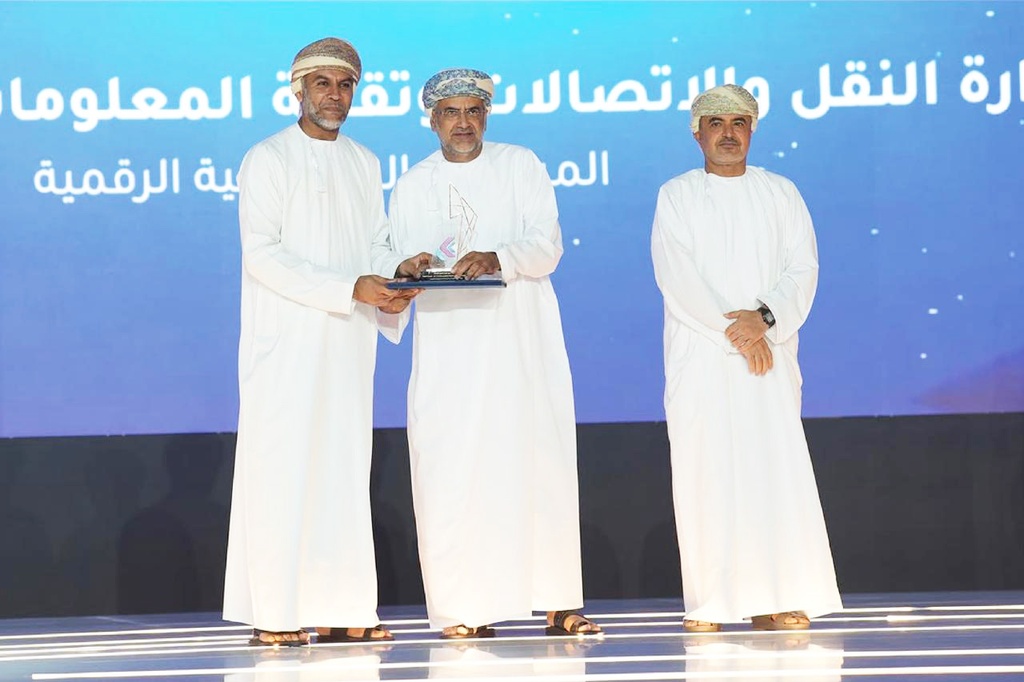
The "Communication and Media" department on the podium at the "Digital Excellence Award" 2025
Date Published: 08 February 2026
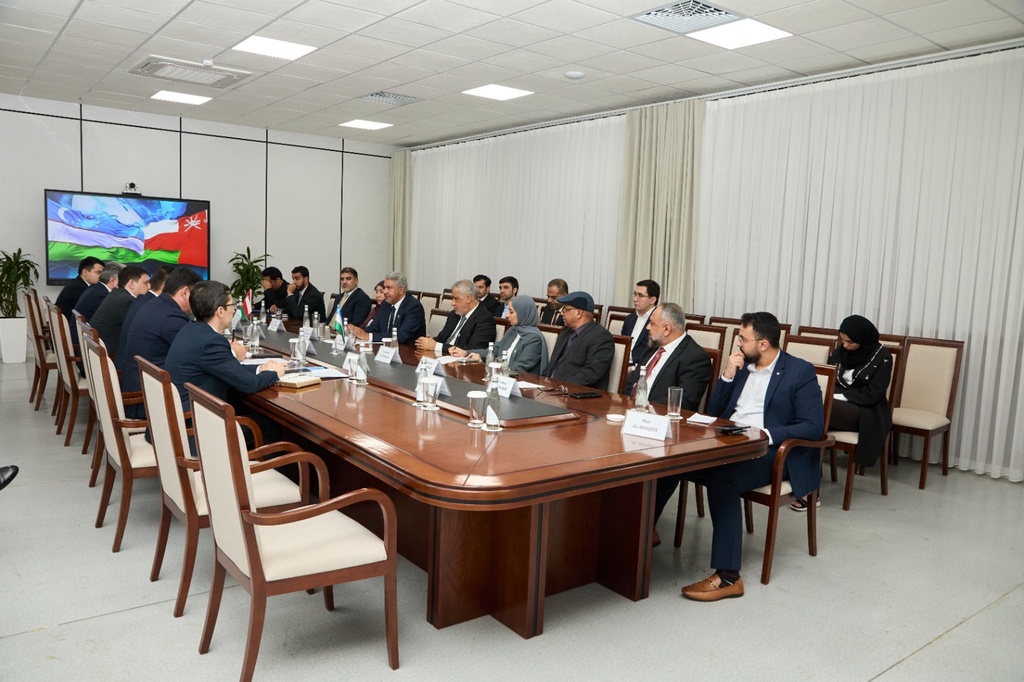
The Sultanate of Oman is exploring the enhancement of logistical integration with the Republic of...
Date Published: 22 February 2026

Completion of more than 2,805 transactions thru digital channels in Al Buraimi
Date Published: 24 March 2026

Review of the Strategy and Framework for Measuring Ejada under the National Digital Transformation Programme...
Date Published: 16 April 2026

Oman, Algeria Strengthen Cooperation in Transport, Logistics and Digital Transformation
Date Published: 07 May 2026

MTCIT wins "Gold" in the Environmental and Social Governance Award
Date Published: 17 May 2026
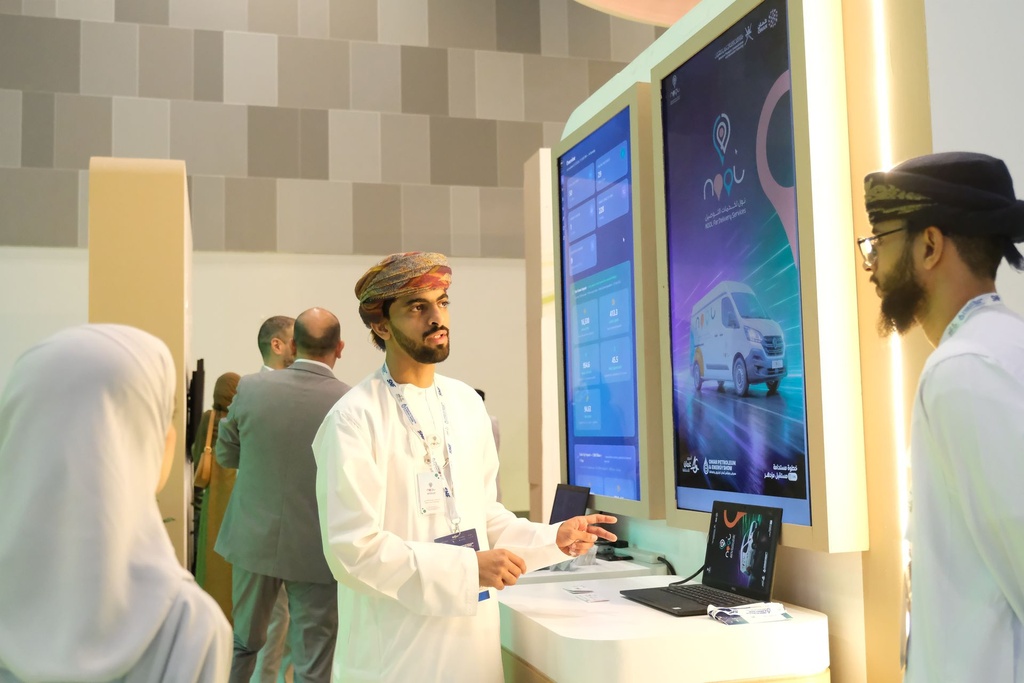
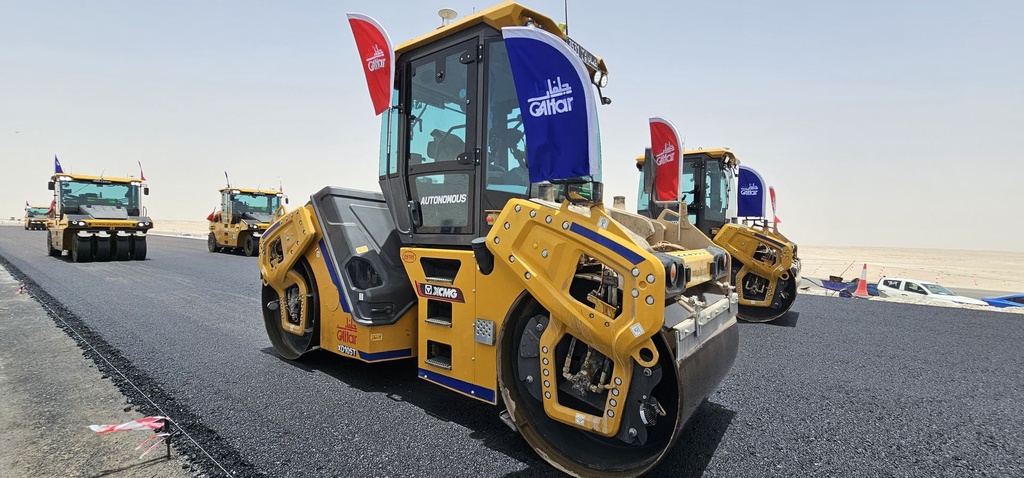
For the first time in the Sultanate of Oman: Launch of AI-powered autonomous asphalt paving...
Date Published: 20 May 2026
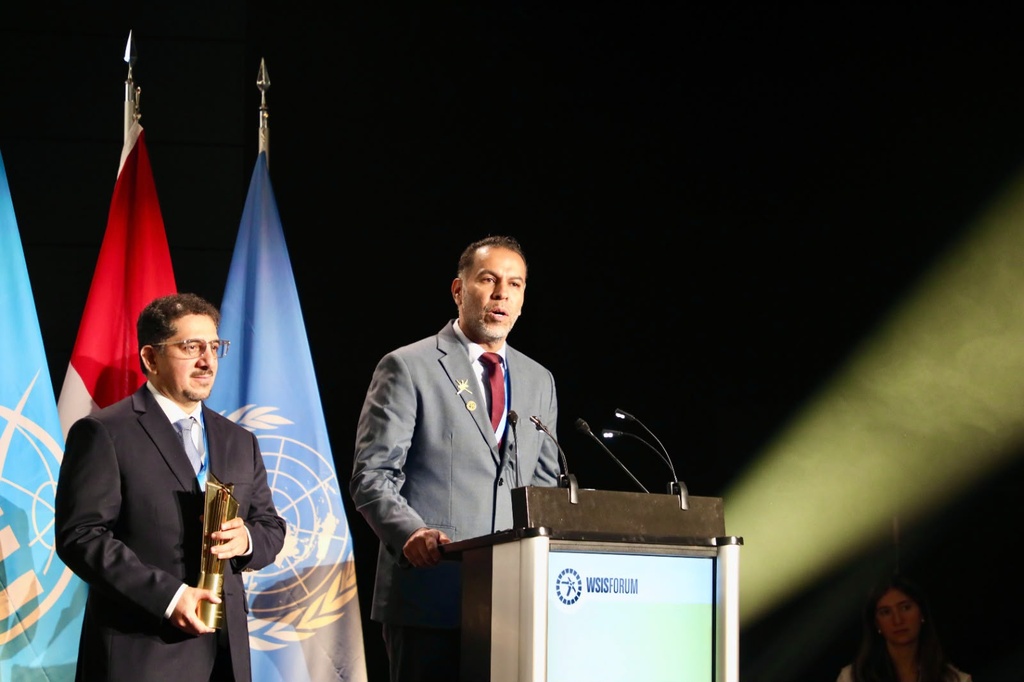
Oman Wins Global First Place at WSIS Prizes 2026 for Smart Lighting Project
Date Published: 10 July 2026

MTCIT Showcases Efforts to Empower Persons with Disabilities through Purple Saturday Campaign
Date Published: 26 July 2026
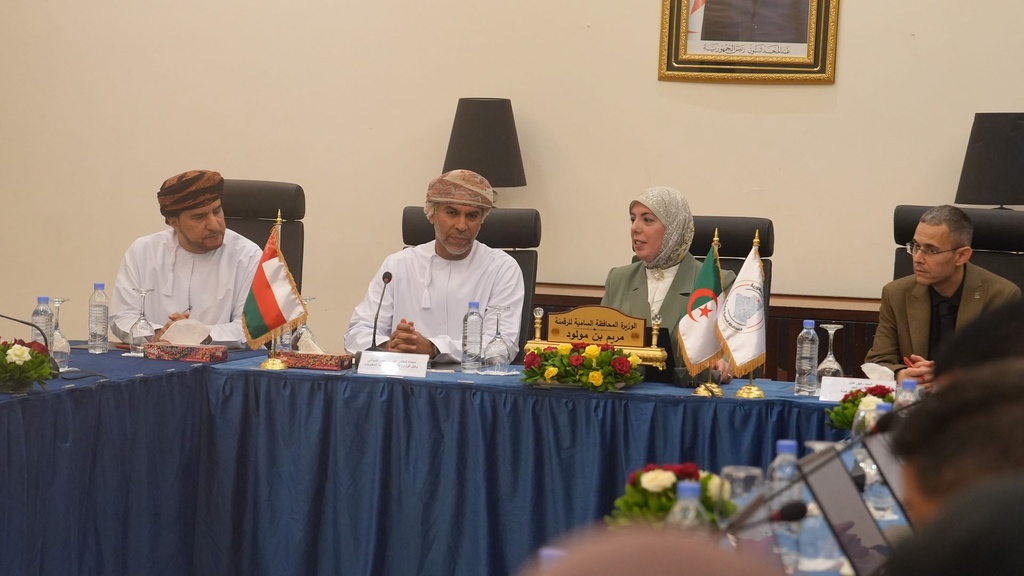
Oman and Algeria Strengthen Cooperation in Communications and Information Technology
Date Published: 27 July 2026
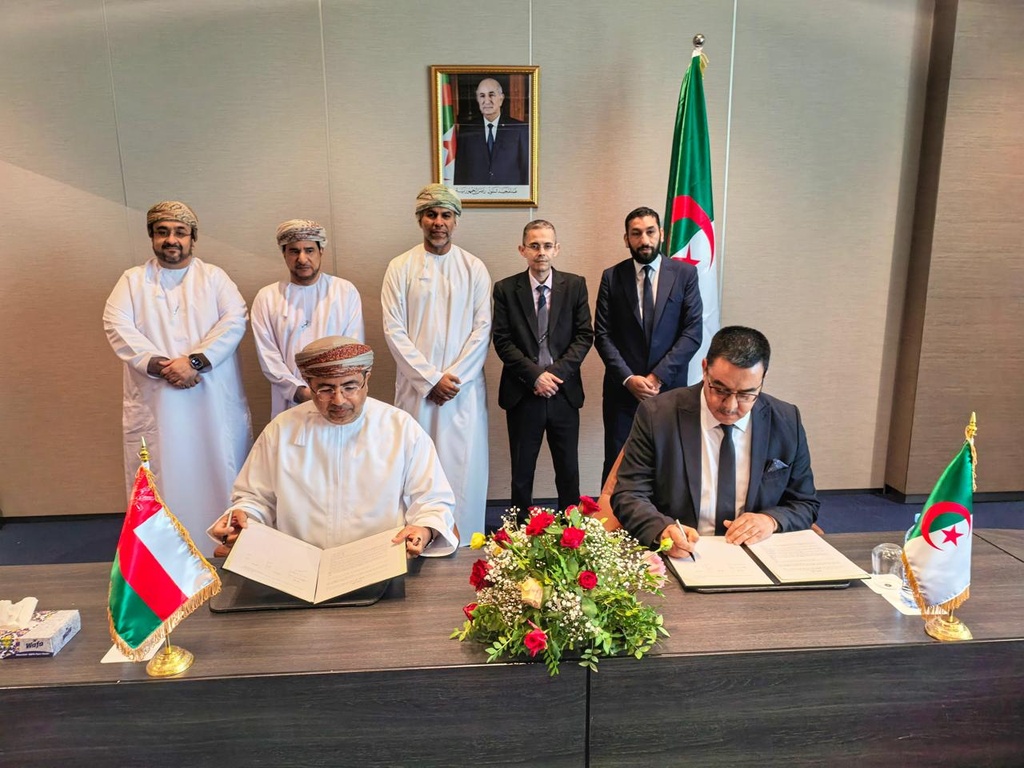
Omani Delegation Concludes Algeria Visit with Smart Water Solutions MoU
Date Published: 29 July 2026
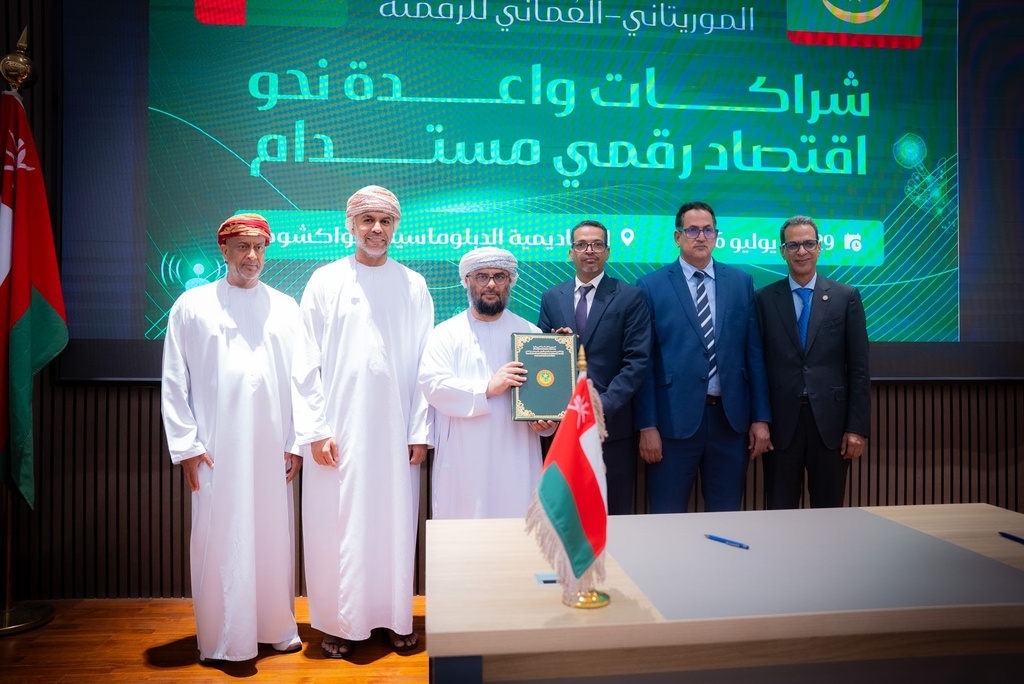
Mauritanian-Omani Digitalisation Forum Advances Partnerships for a Sustainable Digital Economy
Date Published: 02 August 2026
