Inaugural UN Global Dialogue on Artificial Intelligence Governance
Date Published: 07 July 2026
UN Secretary-General to delegates: "Will we govern AI together, or will we let it govern us?"
H.E. Dr Ali Al Shidhani: Oman stands ready to work with the United Nations and all partners towards safe, secure and trustworthy artificial intelligence.
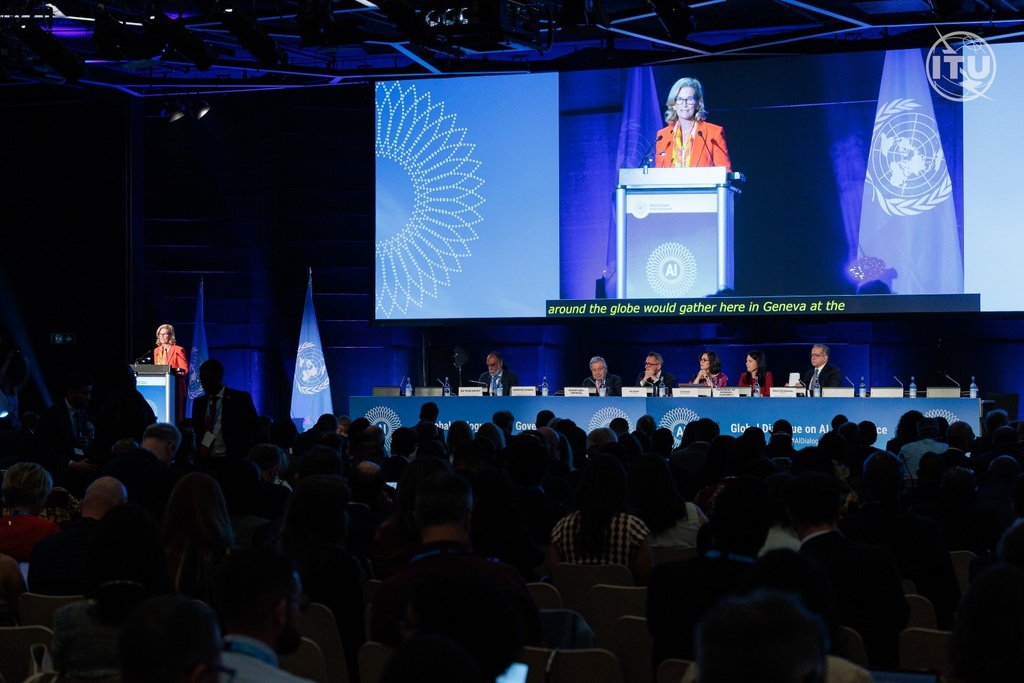
Oman's participation reaffirms its commitment to supporting the development of an inclusive, transparent and effective global framework for AI governance. The Omani delegation to the Global Dialogue on AI Governance and the World Summit on the Information Society (WSIS) Forum 2026 is headed by H.E. Dr Ali bin Amer Al Shidhani, Undersecretary of the Ministry of Transport, Communications and Information Technology for Communications and Information Technology. The delegation also includes H.E. Dr Idris bin Abdulrahman Al Khanjari, Permanent Representative of the Sultanate of Oman to the United Nations Office and other International Organizations in Geneva, together with officials from the Ministry of Transport, Communications and Information Technology and the Ministry of Foreign Affairs.
In his opening address, United Nations Secretary-General António Guterres underscored the unprecedented pace of AI development, posing a defining question to participants: “Will we govern AI together, or will we let it govern us?” He noted that, for the first time, every UN Member State has been given a seat at the table, enabling all countries to contribute to shaping a global approach aimed at making artificial intelligence safer, fairer, more accessible and more ethical.
Addressing the opening session, Annalena Baerbock, President of the United Nations General Assembly, said the dialogue is not merely about regulating technology but about shaping a shared vision in which technological progress advances alongside human dignity, equity and sustainable development. She stressed that responsible and collective AI governance can unlock transformative opportunities across healthcare, education, scientific research, disaster preparedness and agriculture.
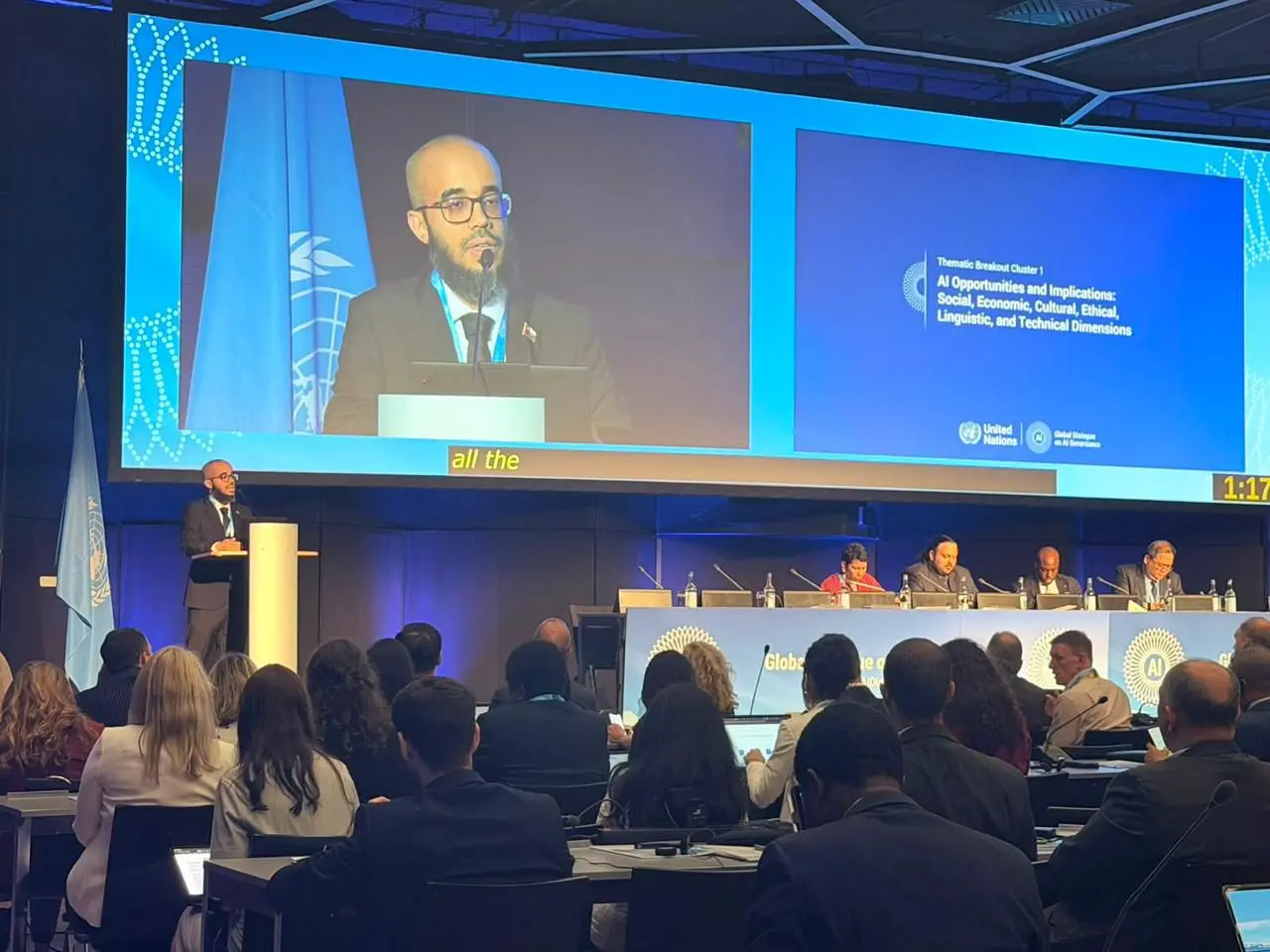
Delivering Oman's statement, H.E. Dr Ali Al Shidhani said the Sultanate possesses the capabilities to contribute effectively to the global effort to build a responsible AI ecosystem in line with Oman Vision 2040. He noted that AI adoption and governance must progress hand in hand through a human-centred approach based on transparency, fairness, accountability, respect for privacy and meaningful human oversight. He reaffirmed Oman's readiness to work with the United Nations and all international partners towards safe, secure and trustworthy artificial intelligence that supports sustainable development and promotes the well-being and dignity of people around the world.
The opening session highlighted the importance of cooperation among governments, technology companies, civil society, academia and the technical community to ensure that AI governance frameworks reflect the priorities of all countries—not only the technologically advanced—and that the benefits of artificial intelligence are shared equitably. Participants discussed opportunities and challenges associated with AI technologies, including bridging the AI divide, strengthening international cooperation on AI governance, and ensuring effective human oversight of AI systems in accordance with international law to safeguard peace, security and sustainable development.
The dialogue also featured the presentation of the preliminary report of the Independent International Scientific Panel on Artificial Intelligence, established by the United Nations General Assembly. Entitled 'An Evidence-Based Assessment of the Opportunities, Risks and Implications of Artificial Intelligence,' the report provides a shared evidence base to support Member States in responding to the rapidly evolving AI landscape.
The report highlighted several global trends, noting that AI capabilities are advancing faster than the world's ability to assess and govern them; the development of frontier AI models remains concentrated among a limited number of actors; AI inputs and outputs continue to exhibit geographical and linguistic imbalances; and the AI divide extends beyond access to include the capacity to shape and influence the future direction of AI development.
Discussions also explored the implications of AI for shared reality, the emergence of agentic AI and its governance challenges, and the need to create an enabling environment that supports AI applications across science, healthcare, education and agriculture. The dialogue also examined legal and regulatory frameworks and explored the next steps towards establishing an effective, inclusive and globally coordinated framework for AI governance, while addressing the implications of artificial intelligence for security, the environment, human rights, information integrity, democracy, cultural diversity, individual autonomy and child safety.
Related News
Discover Now
"Engineer It with AI" Competition Kicks Off with 25 Teams Participating
Date Published: 26 August 2024


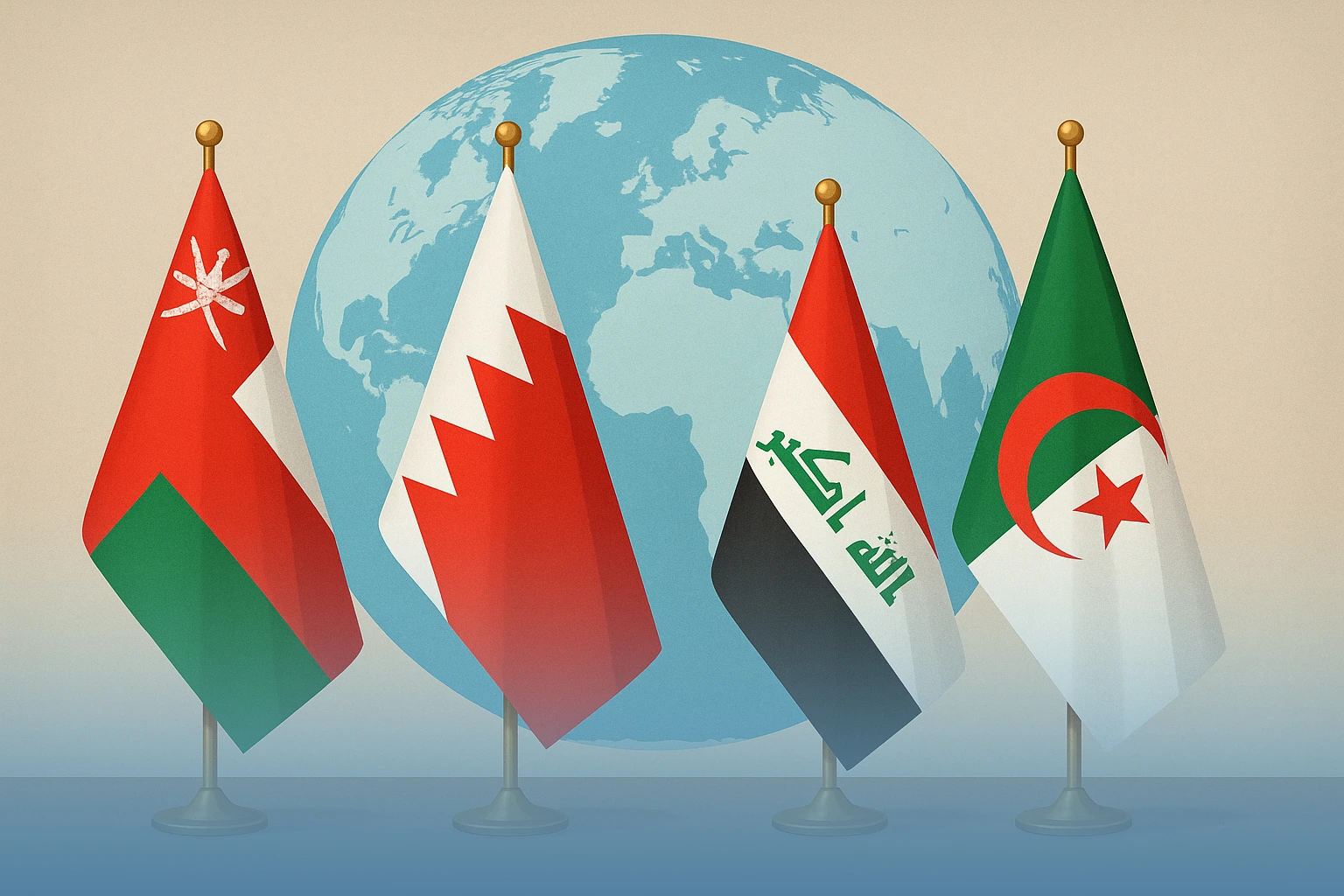
The Minister of Transport, Communications, and Information Technology Meets His Counterparts from Bahrain, Iraq, and...
Date Published: 01 September 2025
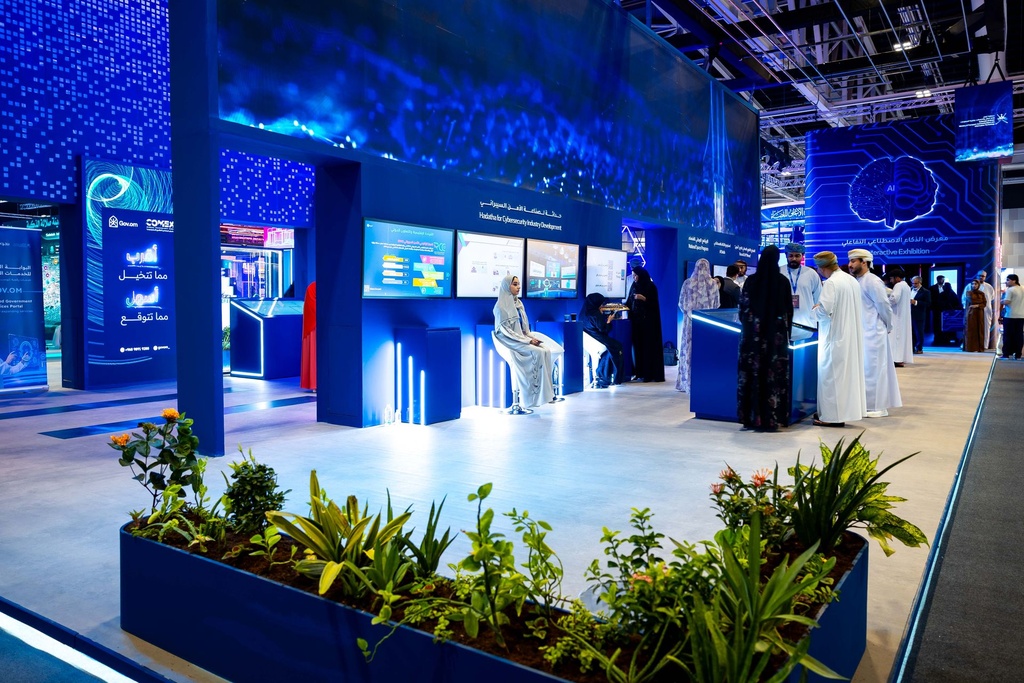
Next Week: Launch of the Global Technology Exhibition “COMEX 2025”
Date Published: 04 September 2025
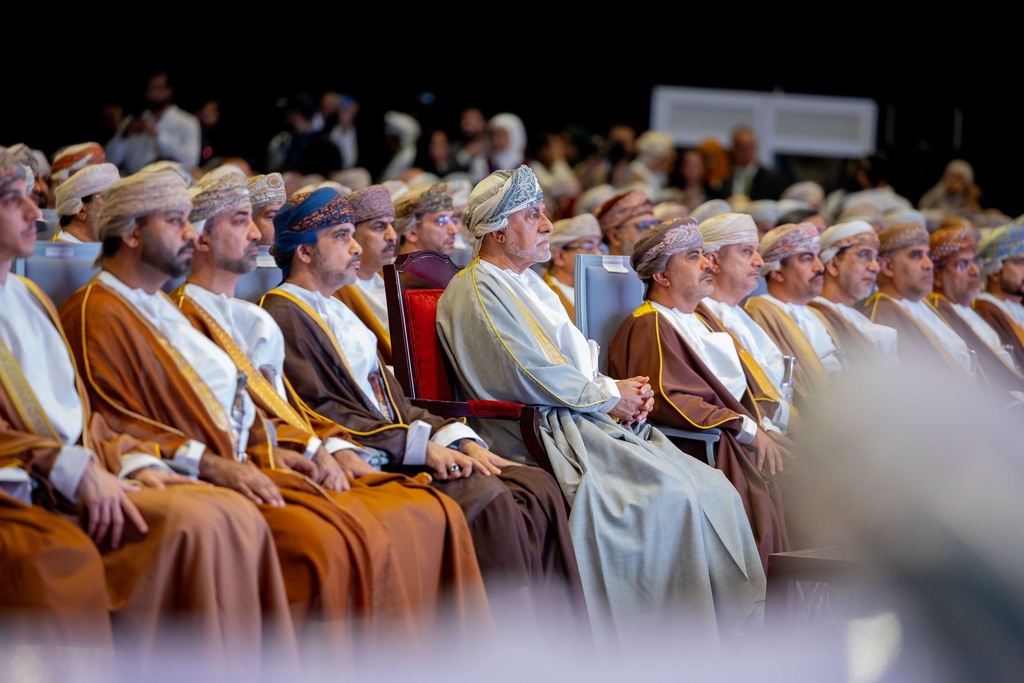
Launch of COMEX 2025: Announcement of the Green Artificial Intelligence Alliance and Unveiling of the...
Date Published: 08 September 2025
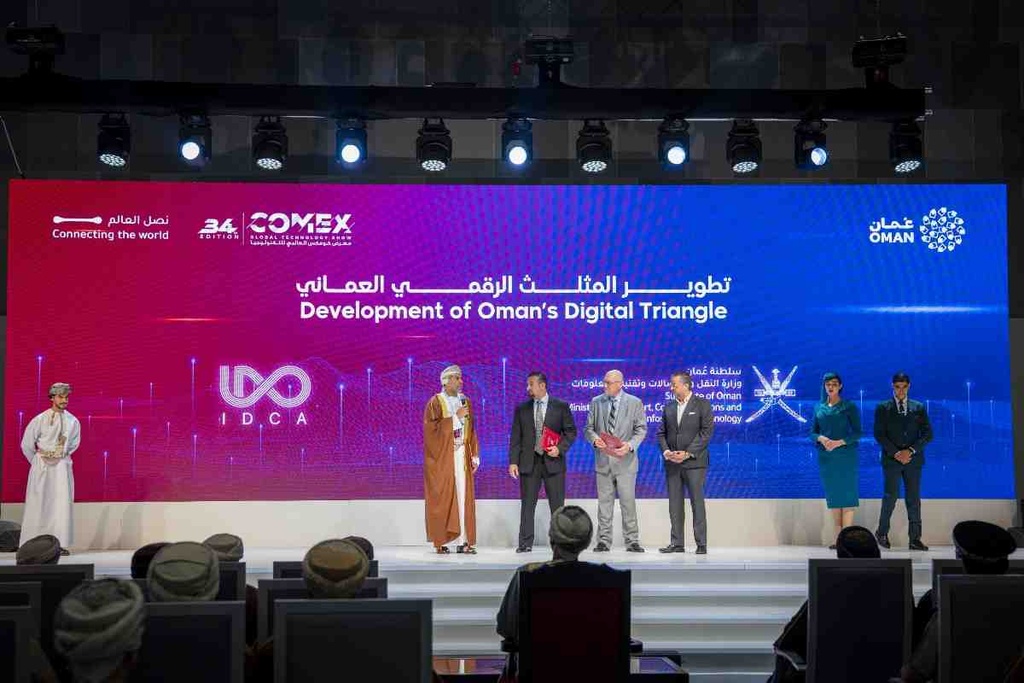
Oman Launches Three National Initiatives at the Artificial Intelligence and Quantum Computing Forum
Date Published: 08 September 2025

A World of Innovation and Excellence: The Ministry of Transport, Communications and Information Technology Captures...
Date Published: 09 September 2025
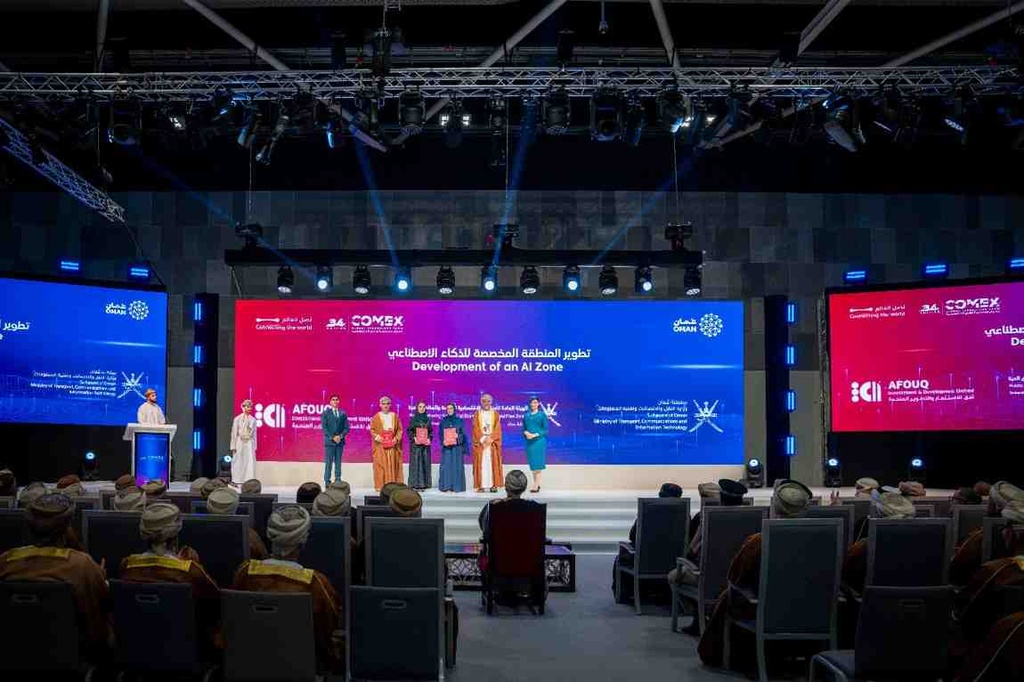
Announces Artificial Intelligence Zone Development Project at COMEX 2025
Date Published: 08 September 2025
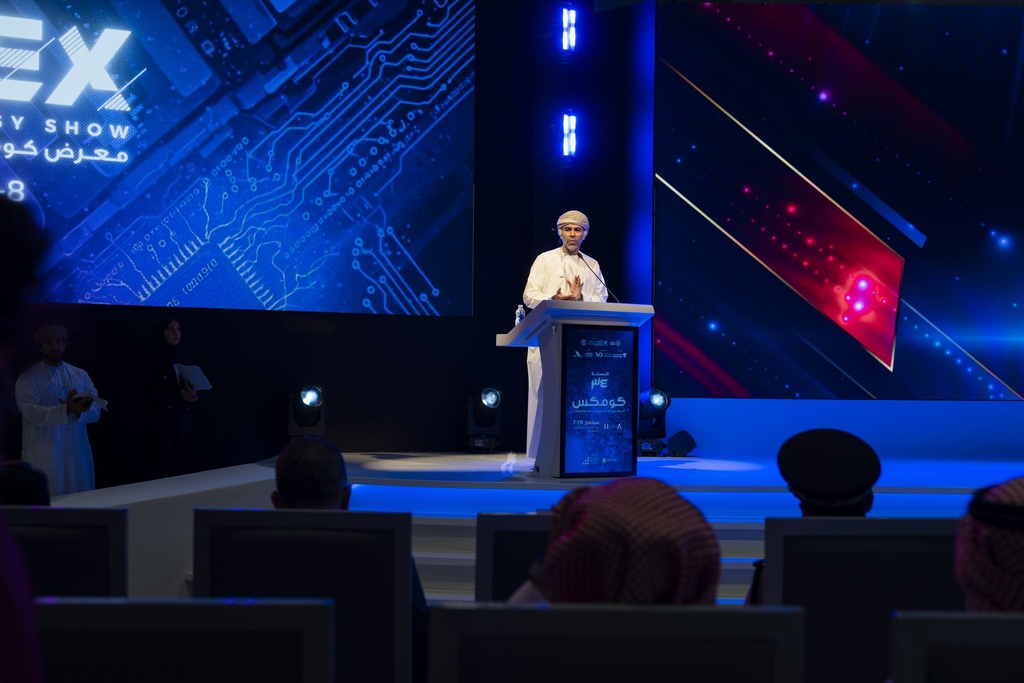
With an increase of 45%, COMEX 2025 agreements were valued at OMR 116 million
Date Published: 20 September 2025

MTCIT Settles Over OMR 1.2 Billion in Private-Sector Dues by End of August
Date Published: 16 October 2025
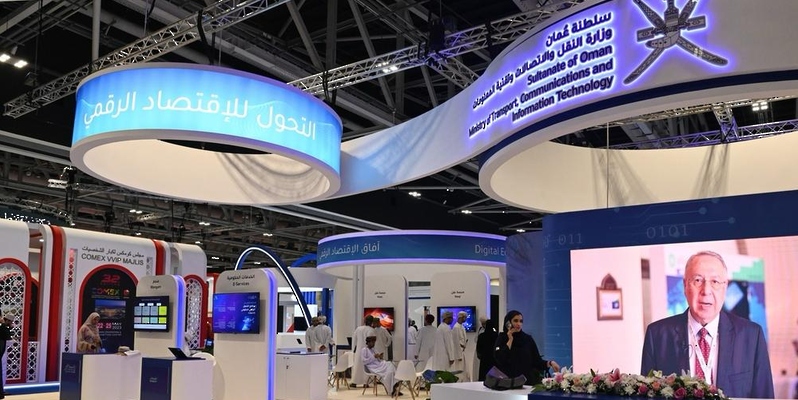
The curtain falls on the 33rd edition of the COMEX Global Technology Exhibition 2024
Date Published: 01 June 2024

MTCIT enhances partnership and innovation within the National Program for Artificial Intelligence and Advanced Technologies
Date Published: 23 December 2025
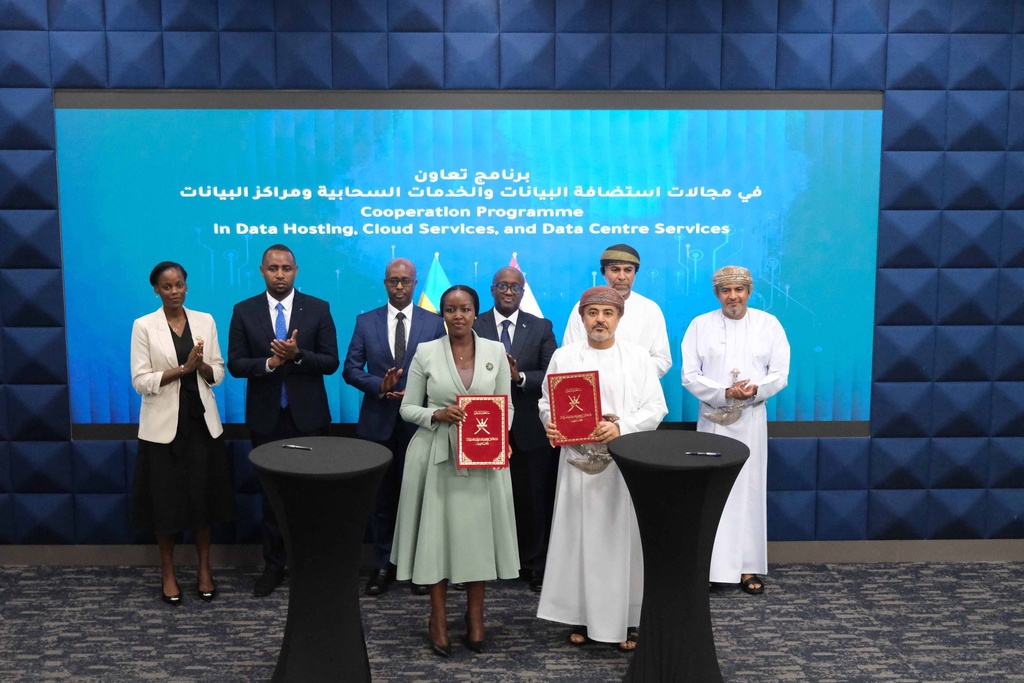
The Sultanate of Oman and the Republic of Rwanda Sign Four Cooperation Agreements
Date Published: 11 January 2026

Oman, Algeria Strengthen Cooperation in Transport, Logistics and Digital Transformation
Date Published: 07 May 2026

MTCIT wins "Gold" in the Environmental and Social Governance Award
Date Published: 17 May 2026
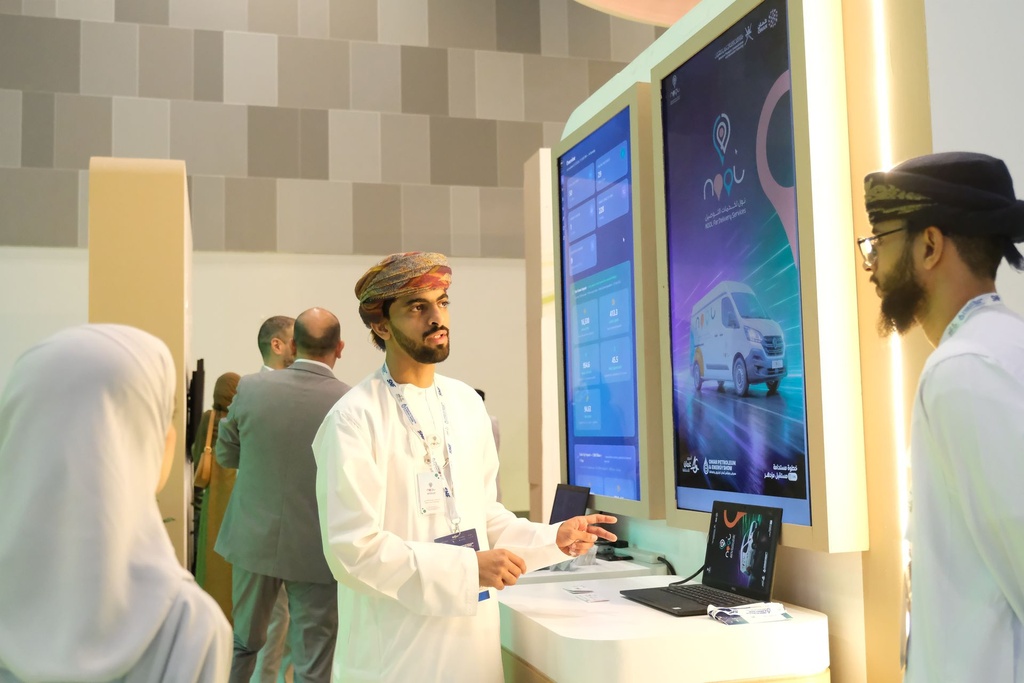
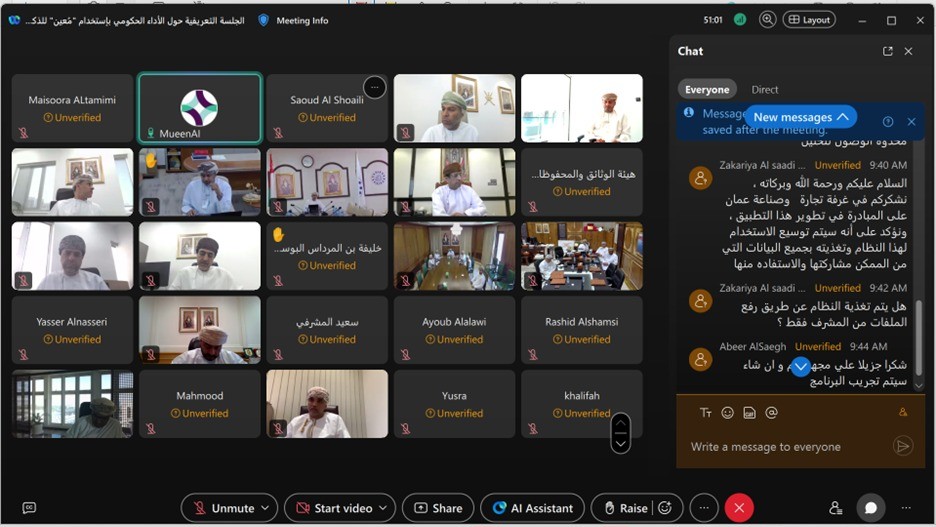
MTCIT Holds Introductory Session on Leveraging “Mueen” AI to Enhance Government Performance
Date Published: 19 May 2026
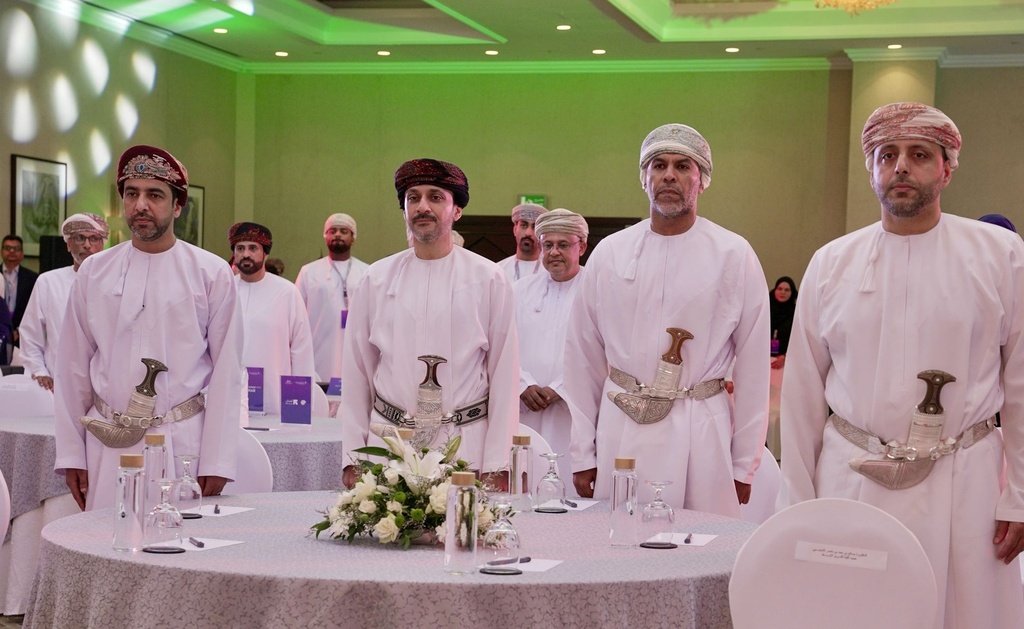
25 Teams Compete in the Second Edition of the "Engineer It with AI" Competition
Date Published: 01 July 2026

Oman Participates in the Global Dialogue on AI Governance and the World Summit on the...
Date Published: 05 July 2026
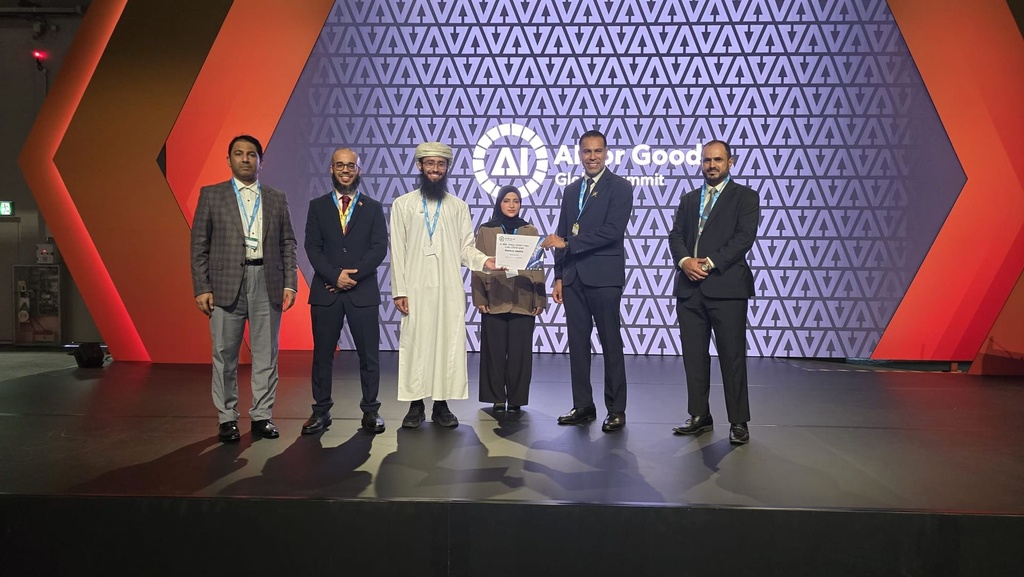
On the Sidelines of the Sultanate of Oman’s Participation in the Global Dialogue on Artificial...
Date Published: 08 July 2026

Oman Becomes Founding Member of World AI Cooperation Organization
Date Published: 17 July 2026
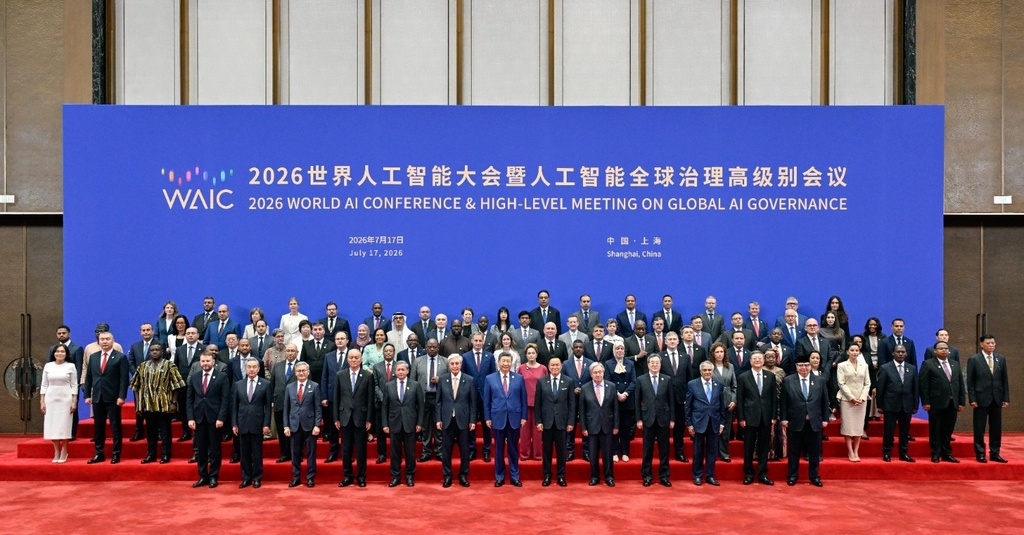
Oman Participates in High-Level Meeting at World Artificial Intelligence Conference in Shanghai
Date Published: 17 July 2026
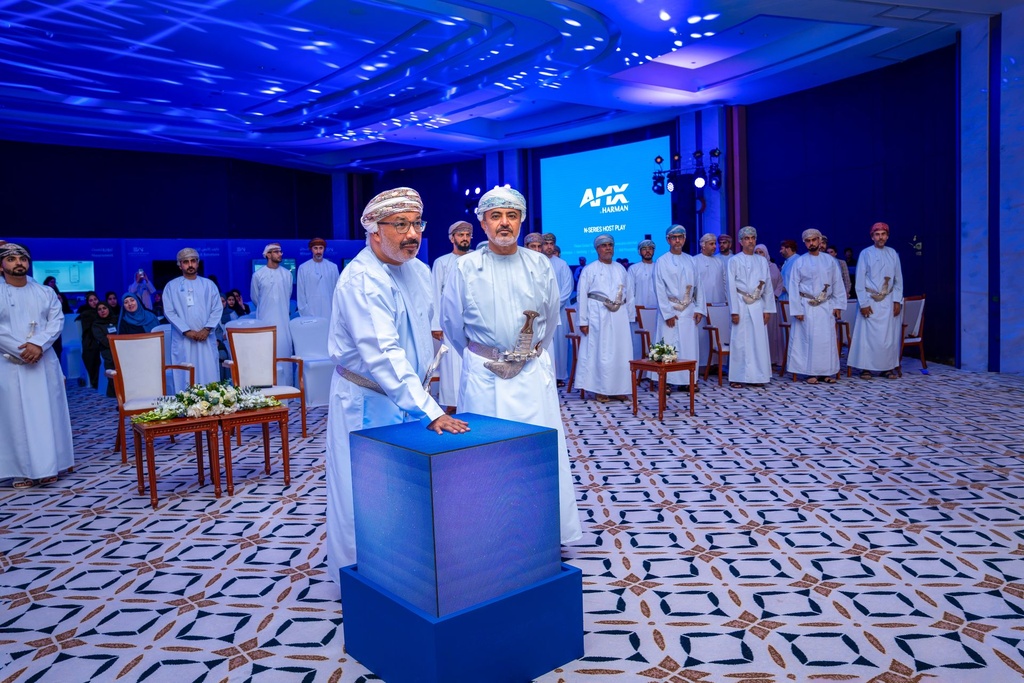
MTCIT Concludes “Engineer It with AI” Competition; Nine Teams Honoured
Date Published: 14 September 2026
