More than OMR 200 Million in Local Content in Road Projects
Date Published: 28 September 2026
The total value of local content in road projects implemented by the Ministry of Transport, Communications and Information Technology reached more than OMR 200 million by the end of the first half of 2026, while the average share of local content exceeded 60% of total project expenditure during the same period. This reflects the economic value generated by investments in the development of road projects in the Sultanate of Oman through increased participation of Omani professionals and companies, support for national products, and the award of more works to small and medium enterprises (SMEs).
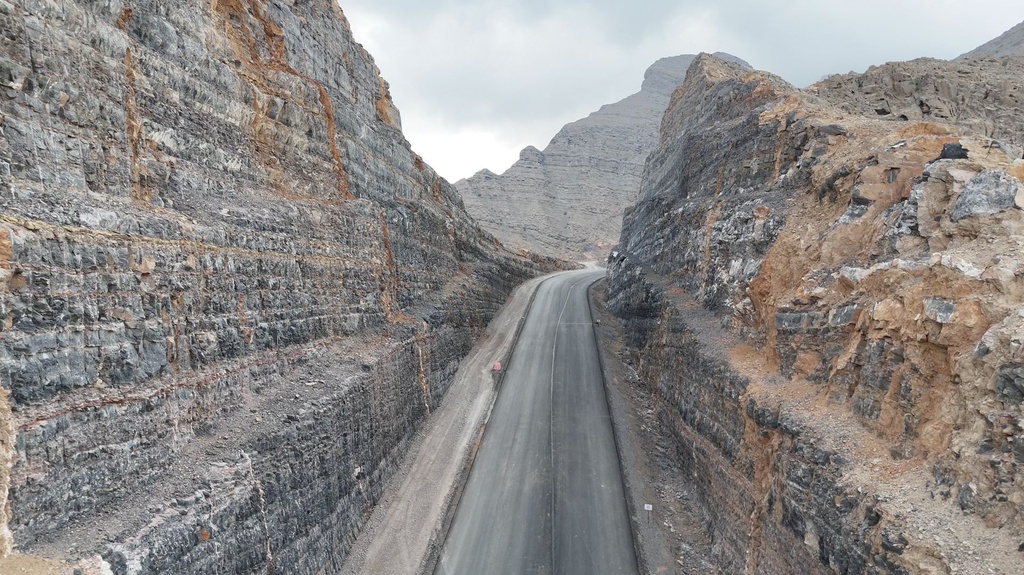
Eng. Mohammed bin Salim bin Ali Al Isai, Local Content Expert at the Ministry of Transport, Communications and Information Technology, explained that the Ministry has made enhancing local content in the projects it implements across various sectors one of its key priorities. This is pursued through a set of requirements and measures applied when contracting for project implementation, such as ensuring employment opportunities for Omanis and purchasing products and services from the local market. This also includes operations, supply, manufacturing, the award of works, knowledge transfer, the development of national enterprises, and the building of technical and administrative capabilities, thereby maximising the national economy’s benefit from project expenditure.
Expanding the Economic Value of Roads
Al Isai noted that road projects currently being implemented across the governorates of the Sultanate of Oman are among the areas where local content opportunities are directly realised, given their multiple components and links to a range of economic, industrial and service activities.
He stated that around 1,500 Omanis are employed in road projects currently under implementation in direct jobs associated with these projects. He stressed that the participation of national professionals is not limited to providing employment opportunities, but also extends to developing their skills and entrusting them with substantive responsibilities in supervision, implementation and project management, thereby enhancing their experience and ability to take on more specialised roles in the future.
Omani Products
Al Isai added that around 70% of the materials used in road projects are manufactured in the Sultanate of Oman, with their value reaching OMR 80 million by the end of the first half of 2026. He noted that increasing reliance on national products, provided they meet technical requirements and approved specifications, contributes to supporting local industry, creating sustainable demand for Omani products, and strengthening supply chains associated with the construction and infrastructure sector.
Local Procurement
Al Isai said that more than 95% of the goods used in road projects are purchased from the local market, either directly or through local suppliers and SMEs. He explained that directing procurement towards the local market broadens the base of beneficiaries from project expenditure and supports enterprises operating in supply, services and support activities.
Small and Medium Enterprises
Al Isai noted that the value of subcontracts awarded to SMEs under ongoing road project contracts exceeded OMR 50 million by the end of the first half of 2026, representing more than 10%. He stressed that awarding such works enables national enterprises to develop their technical, administrative and financial capabilities, build a track record and implementation experience, and invest in equipment and technologies, thereby strengthening their ability to compete and participate in larger projects in the future.
He added that measuring local content in road projects is based on a set of indicators related to employment, supply, the use of national products, local procurement, and the award of works to Omani enterprises. He noted that the importance of these indicators lies in measuring the economic impact of projects beyond the level of direct expenditure.
A Model for Integrating Development and Local Content
Al Isai noted that the Sultan Faisal bin Turki Road project in Musandam Governorate provides an example of the role transport projects play in supporting development and empowering national professionals.
He explained that the project is being implemented in a mountainous environment involving engineering and implementation challenges, providing a practical setting for developing national expertise in handling technically complex projects and contributing to the accumulation of local knowledge and experience in the road sector.
He added that the project has reduced travel time from around two and a half hours to approximately 55 minutes, improving mobility and access to services, supporting the movement of people and goods, and contributing to increased economic and tourism activity in the governorate. It also provides opportunities to enhance local content by accelerating the exchange of locally produced goods and products, and enabling local companies to expand their operations and projects across a wider geographical area through improved mobility, thereby supporting business growth and generating added value for local content.
Al Isai added that achieving a 100% Omanisation rate in the positions of the supervising consultant for the Dibba-Lima package reflects the Ministry’s approach to empowering national professionals and entrusting them with professional and technical responsibilities. He stressed that Omanisation in transport projects aims not only to provide employment opportunities, but also to build national expertise capable of developing and assuming greater responsibilities in project management and implementation.
Related News
Discover Now
Tender Announced for Phases 3 & 4 of Sinaw–Mahout–Duqm Road Project
Date Published: 07 April 2025
MTCIT Minister Reviews Road Projects & Digital Plans in Al Dakhiliyah
Date Published: 08 May 2025

The Minister of Transport, Communications, and Information Technology Meets His Counterparts from Bahrain, Iraq, and...
Date Published: 01 September 2025
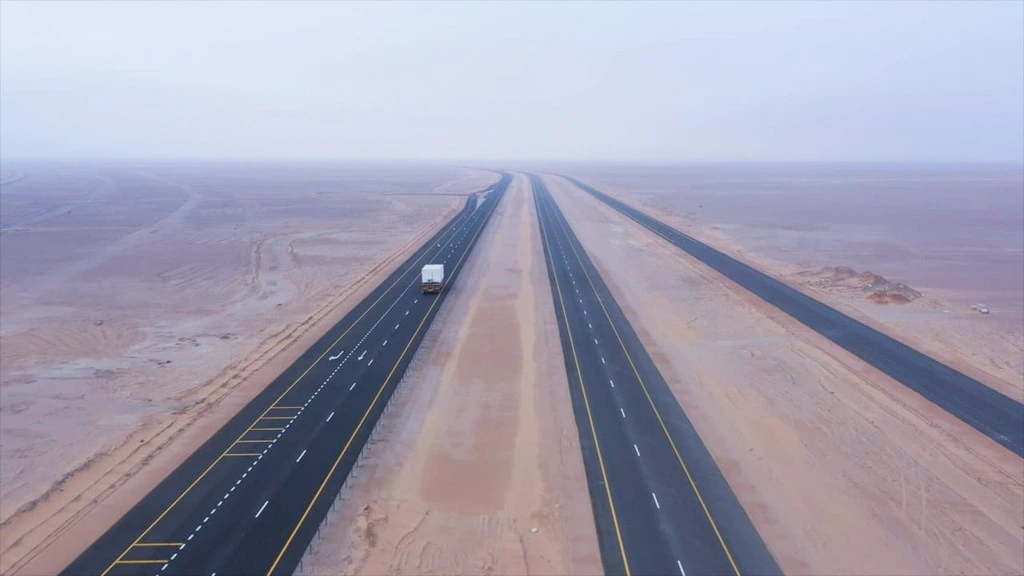
Awarding of Contracts for Completion of Remaining Works on Sultan Said bin Taimour Dual Carriageway...
Date Published: 02 October 2025

MTCIT Settles Over OMR 1.2 Billion in Private-Sector Dues by End of August
Date Published: 16 October 2025
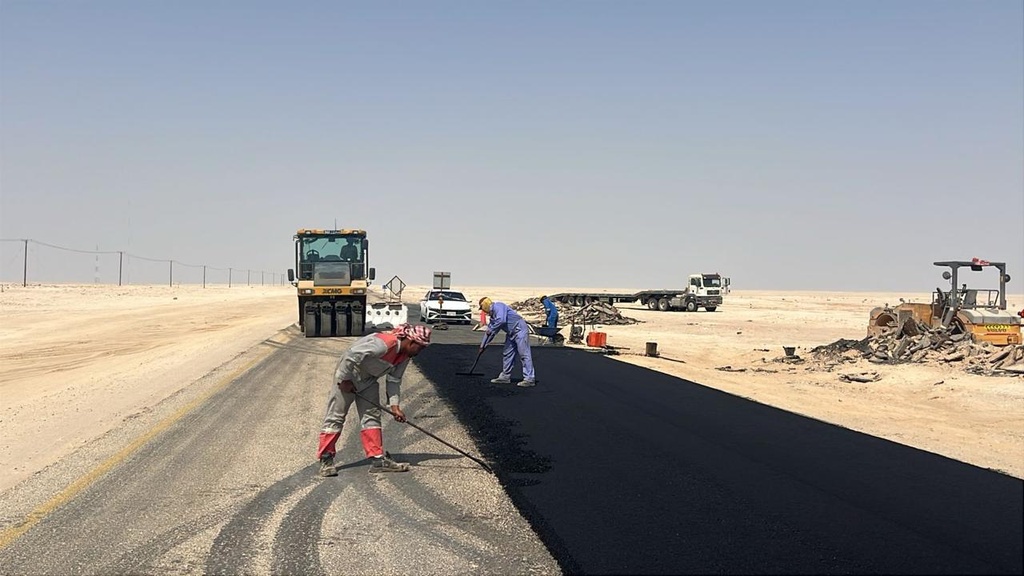
With an Investment of OMR 152,000… Al Wusta Roads Department Enhances Transport Network Through Ongoing...
Date Published: 26 October 2025
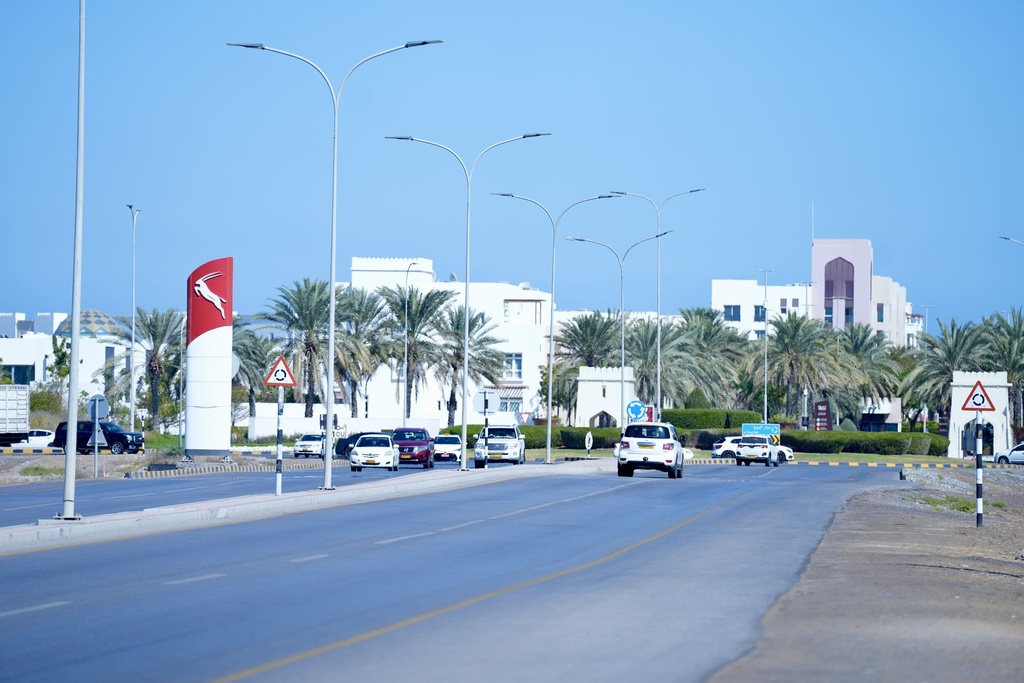
Awarding of the Al Mouj Road Development Project and the Connected Section of 18th November...
Date Published: 28 October 2025
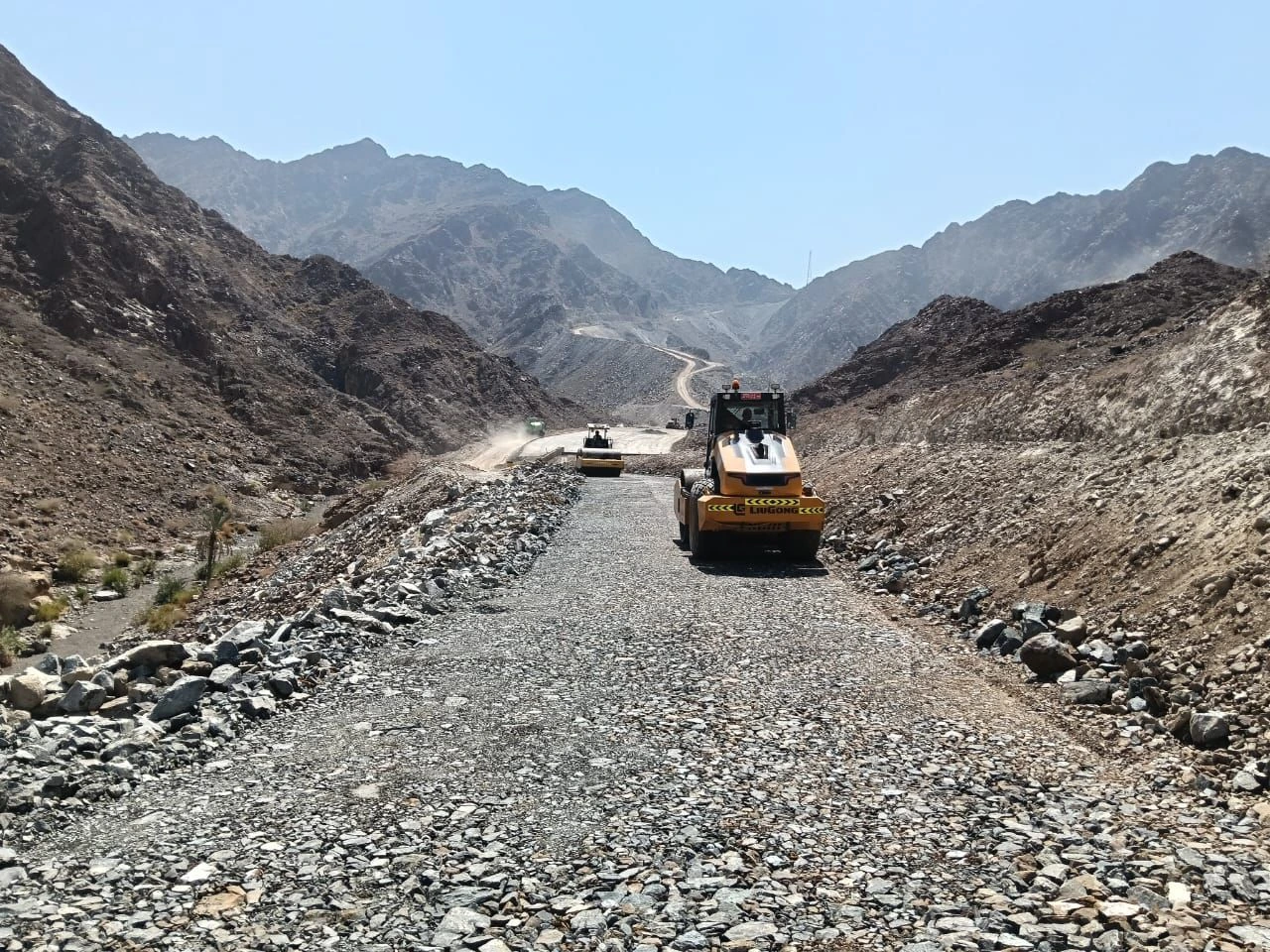
49.6% Completion of the Design and Construction of Aqabat Afri Road and Al-Saqari Village Road...
Date Published: 03 November 2025
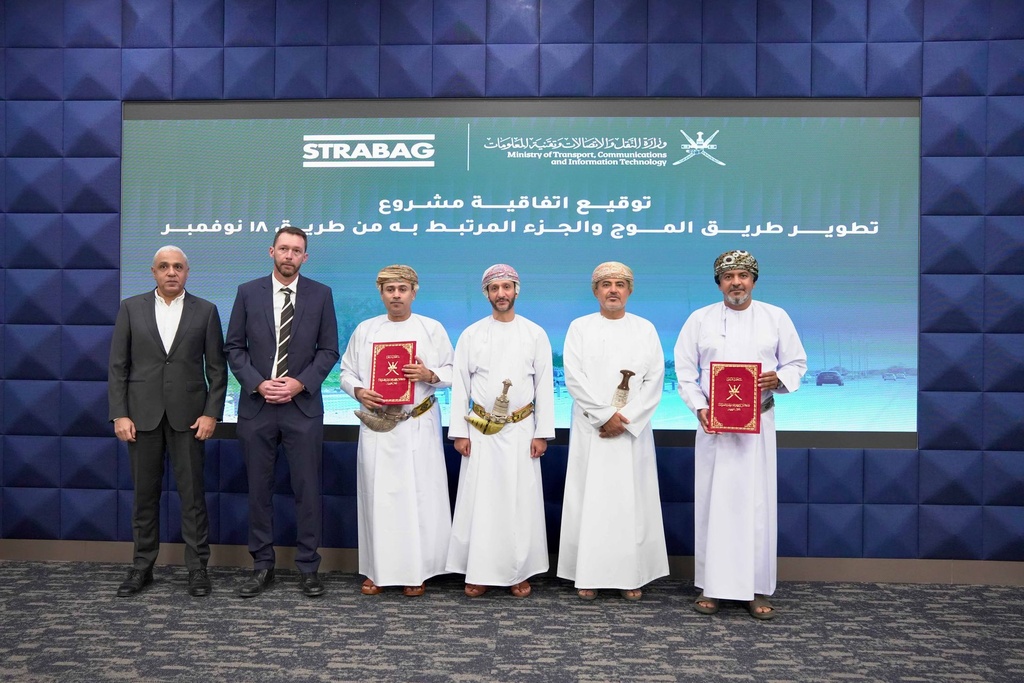
Signing of the Al Mouj Road Development Project Agreement and the Associated Section of 18th...
Date Published: 09 November 2025
The curtain falls on the 33rd edition of the COMEX Global Technology Exhibition 2024
Date Published: 01 June 2024
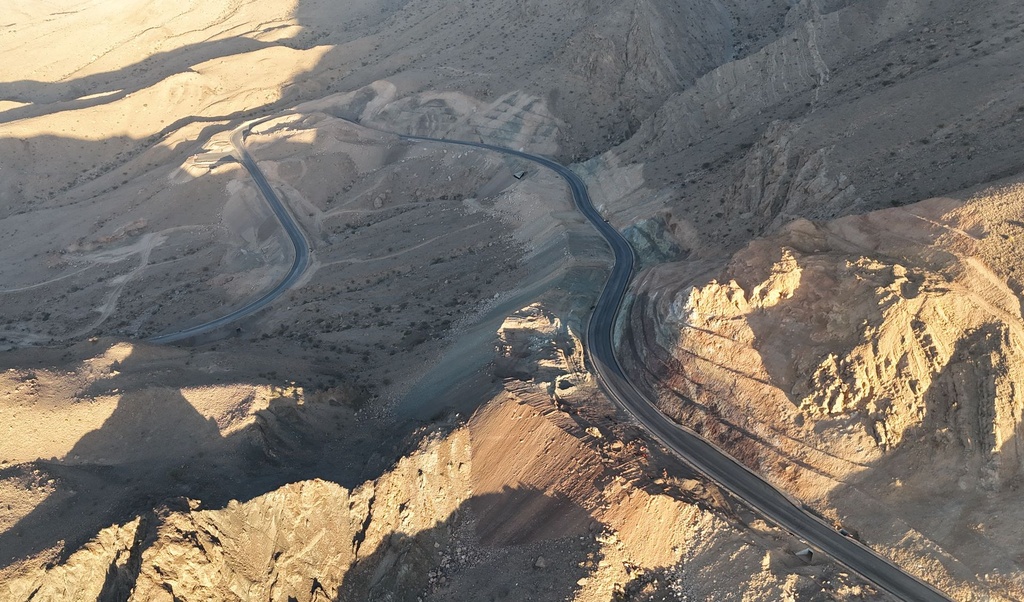
50% Completion Achieved in Wadi Bani Khalid Escarpment Road Project
Date Published: 24 December 2025
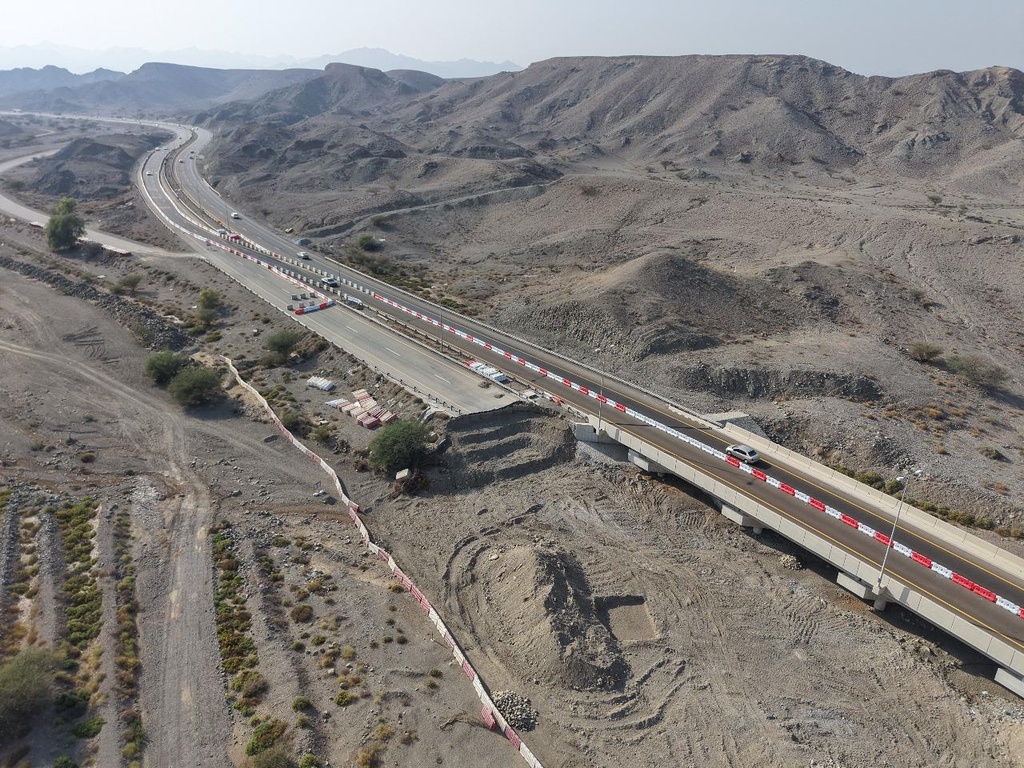
Over OMR 6 Million Allocated for the Construction of Five New Bridges on the Sohar–Al...
Date Published: 24 December 2025

60% Completion Achieved on Aqabat Aafri Road and Al Saqari Village Road Project in Al...
Date Published: 01 January 2026

Launching the Second Phase of the Virtual Tour Feature on Google Maps
Date Published: 14 January 2026

12% Completion Achieved in the Rehabilitation of the Existing Road from Al Hazm to Al...
Date Published: 05 February 2026
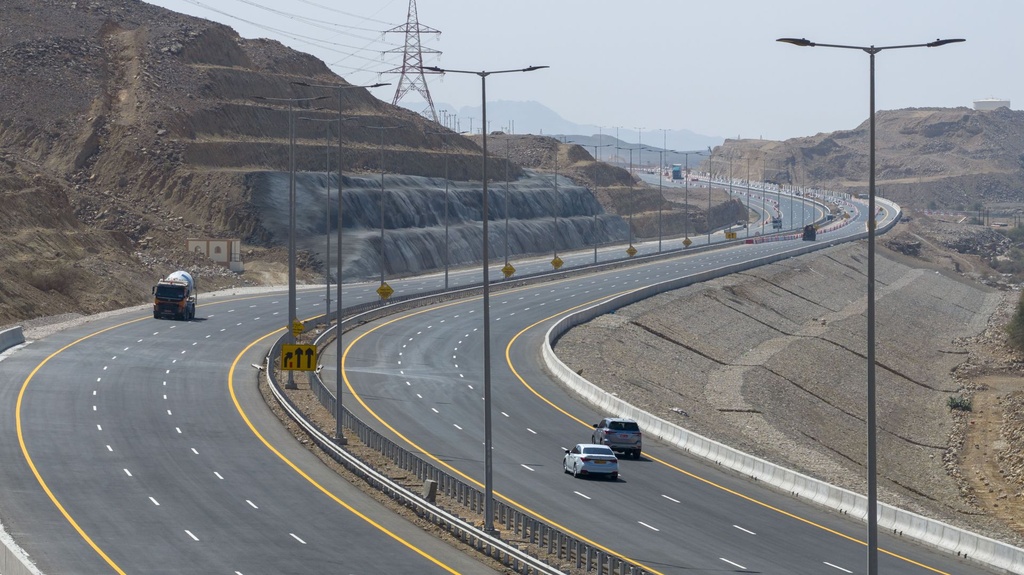
Sultan Turki bin Said Dual Carriageway – Phase 2 Opening (Al Kamil & Al Wafi...
Date Published: 11 February 2026
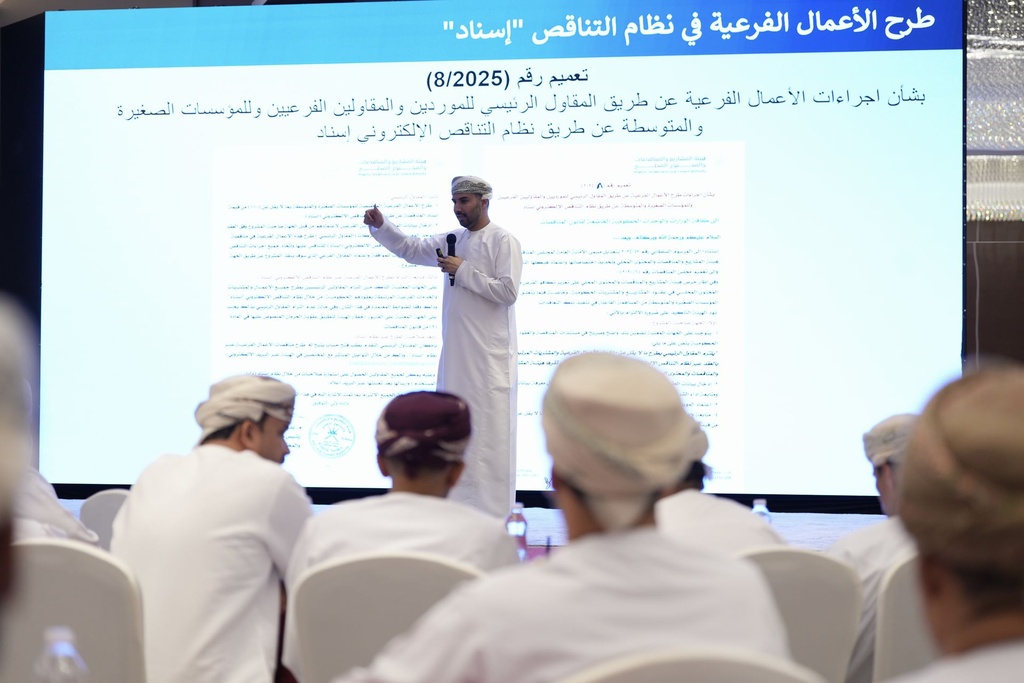

MTCIT showcases the importance of "DBFOT" investment road projects.
Date Published: 09 March 2026
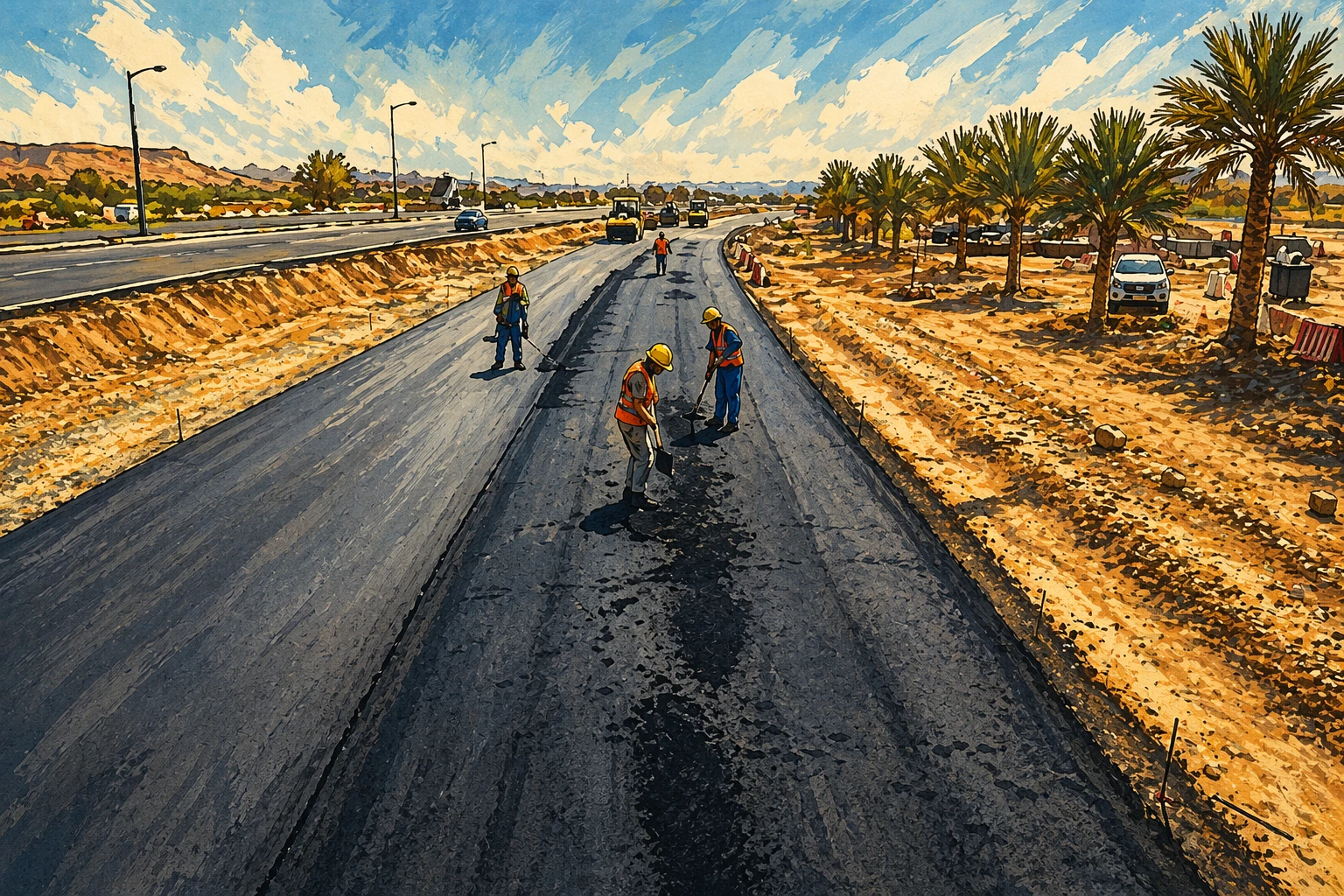
75.2% Completion Achieved on Gas Roundabout–Bilad Sur Road Dualisation Project
Date Published: 23 April 2026

MTCIT wins "Gold" in the Environmental and Social Governance Award
Date Published: 17 May 2026
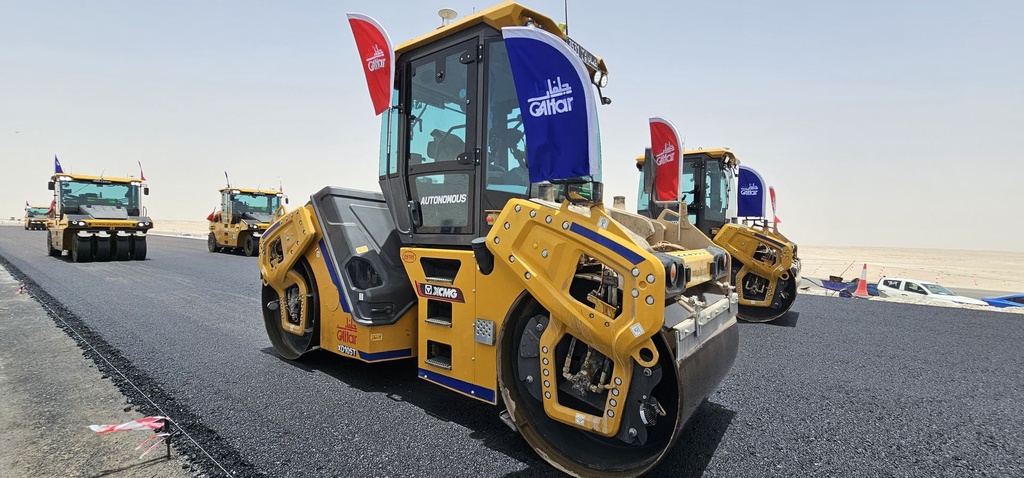
For the first time in the Sultanate of Oman: Launch of AI-powered autonomous asphalt paving...
Date Published: 20 May 2026
MTCIT Opens New 7-Kilometre Stretch of Sultan Turki bin Said Road Project
Date Published: 21 May 2026


Ministry Conducts Site Visit to Road Projects in Al Dakhiliyah in Cooperation with Projects, Tenders...
Date Published: 15 October 2026
