For the first time in the Sultanate of Oman: Launch of AI-powered autonomous asphalt paving technologies in the Sultan Said bin Taimur Road Dualization Project
Date Published: 20 May 2026
Al Saqri: The project marks an advanced step in developing Oman’s road sector and automating construction projects
Al Shammakhi: The project represents a model for deploying advanced technologies in the road sector to enhance quality and accelerate project delivery
The Sultan Said bin Taimur Road Dualisation Project – Package Four witnessed the launch of AI-powered autonomous asphalt paving technologies under the patronage of H.E. Dr Said bin Mohammed Al Saqri, Economic Advisor at the Office of the Deputy Prime Minister for Economic Affairs, in the presence of several senior officials from the Ministry and representatives of Galfar Engineering & Contracting, the company executing the project.
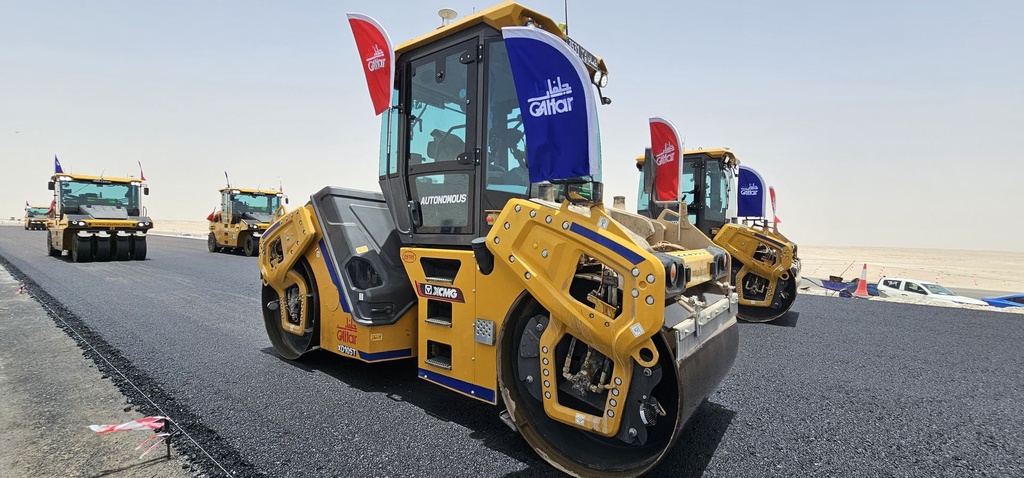
The introduction of these technologies marks the first application of artificial intelligence in the roads and infrastructure sector in the Sultanate of Oman. The initiative aligns with the Ministry of Transport, Communications and Information Technology’s efforts to adopt advanced solutions aimed at enhancing operational efficiency, accelerating project delivery, and improving quality standards. The smart paving equipment operates through advanced control systems supported by data analytics and artificial intelligence, contributing to higher execution efficiency, improved work quality, and faster delivery compared to conventional paving methods. The system also ensures high levels of precision in asphalt layer thickness and elevation control while enhancing the durability and quality of asphalt surfaces.
Smart Paving Technology
The autonomous smart paving technology offers several operational and technical advantages, most notably improving productivity, reducing implementation defects, minimising reliance on direct human intervention, and enhancing occupational safety standards. It also contributes to increasing the attractiveness of the construction sector to national talent through the integration of advanced technologies into work environments. The technology is based on intelligent coordination between machinery, ensuring more stable and consistent performance with greater precision in operational processes, ultimately enhancing execution quality and achieving higher efficiency levels in road projects.
Automation of Construction Projects
H.E. Dr Said bin Mohammed Al Saqri stated that the launch of AI-powered paving technology represents an advanced milestone in the development of Oman’s road sector and the automation of construction projects, reflecting the national direction towards leveraging modern technologies in infrastructure projects to achieve economic development goals. He added: “The adoption of such technological solutions contributes to improving implementation quality, enhancing project efficiency, and promoting safety at work sites, in line with the objectives of Oman Vision 2040 in innovation, digital transformation, and infrastructure efficiency.”
Digital Transformation in the Road Sector
For his part, H.E. Eng. Khamis bin Mohammed Al Shammakhi, Undersecretary of the Ministry of Transport, Communications and Information Technology for Transport, stated that road projects extend beyond geographical connectivity to supporting economic development, facilitating the movement of people and goods, empowering governorates, and enhancing the competitiveness of the national economy. He affirmed that introducing smart technologies in project implementation represents an investment in a more efficient and sustainable future. The autonomous smart paving project reflects the Ministry’s direction towards leveraging modern technologies in infrastructure projects to enhance quality, efficiency, and delivery speed, while also supporting its green mobility initiatives aimed at reducing carbon emissions.
H.E. Eng. Al Shammakhi added that the technology contributes to improving road quality and execution efficiency in accordance with the highest international technical standards. He noted that the project serves as an advanced model for applying digital transformation concepts in the road sector, highlighting that adopting such technologies enhances operational efficiency, accelerates project completion, and supports the Ministry’s efforts to achieve sustainability and improve safety in line with Oman Vision 2040 objectives.
Meanwhile, Dr Hamood bin Rashid Al Toobi, Chief Executive Officer of Galfar Engineering & Contracting, said: “Today, we are not merely celebrating the launch of a modern technology; we are shaping a new chapter in the future of road and infrastructure project execution in the Sultanate of Oman. This reflects a transformation in both thinking and implementation towards smarter, safer, higher-quality, and more efficient projects.” He added: “Galfar’s adoption of AI-powered paving technology in this project is the first of its kind in Oman and the region, reinforcing the company’s leadership in delivering road and infrastructure projects.” Dr Al Toobi further stated: “At Galfar, we believe that modern infrastructure is not measured solely by the length of roads or the scale of projects, but also by its ability to leverage technology, support local supply chains and SMEs, and enhance the contribution of national talent, thereby maximising local added value. Through this project, we continue to translate this commitment into tangible reality.”
The project is expected to serve as a pioneering model that can be replicated in future road projects across the Sultanate, further strengthening Oman’s position in adopting advanced technologies within the construction sector. The Sultan Said bin Taimur Road Dualisation Project – Package Four is considered one of the strategic projects implemented by the Ministry of Transport, Communications and Information Technology due to its importance in enhancing the road network and improving connectivity between governorates. The project aims to improve traffic flow, enhance road safety standards, and support economic, developmental, and tourism activities in the areas it serves. It also contributes to strengthening infrastructure efficiency and developing a modern transport network capable of accommodating increasing traffic growth in line with the objectives of comprehensive development and Oman Vision 2040.
Related News
Discover Now
Oman Participates in 27th GCC e-Government Executive Committee Meeting
Date Published: 26 May 2025


Promoting Digital Inclusion: Launch of the Digital Accessibility Guideline
Date Published: 15 May 2025

Tender Announced for Phases 3 & 4 of Sinaw–Mahout–Duqm Road Project
Date Published: 07 April 2025
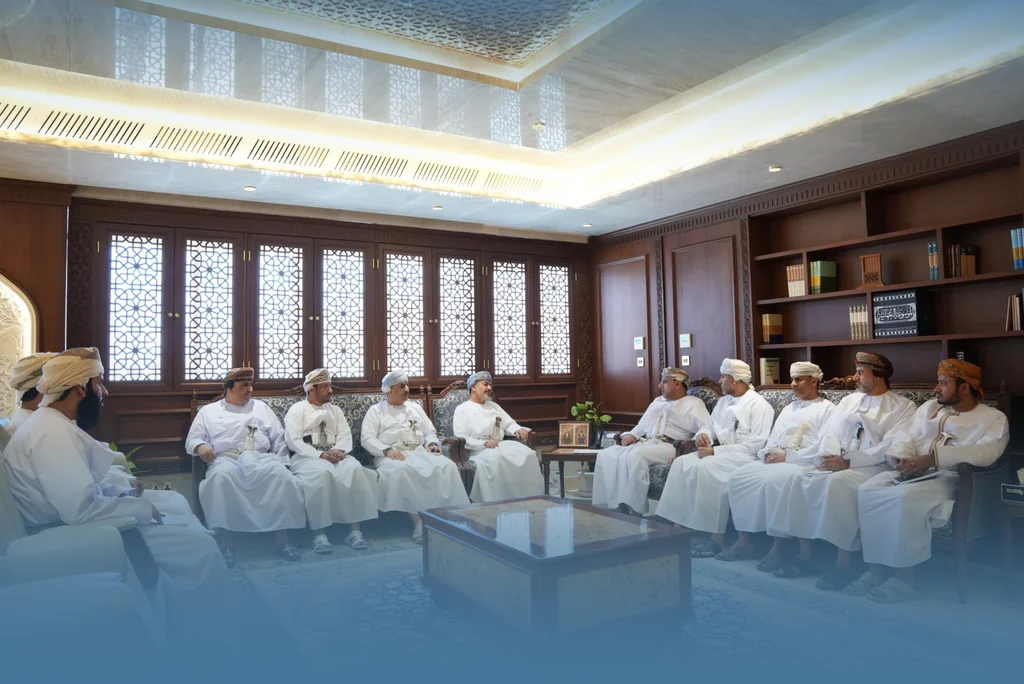
MTCIT Minister Reviews Road Projects & Digital Plans in Al Dakhiliyah
Date Published: 08 May 2025
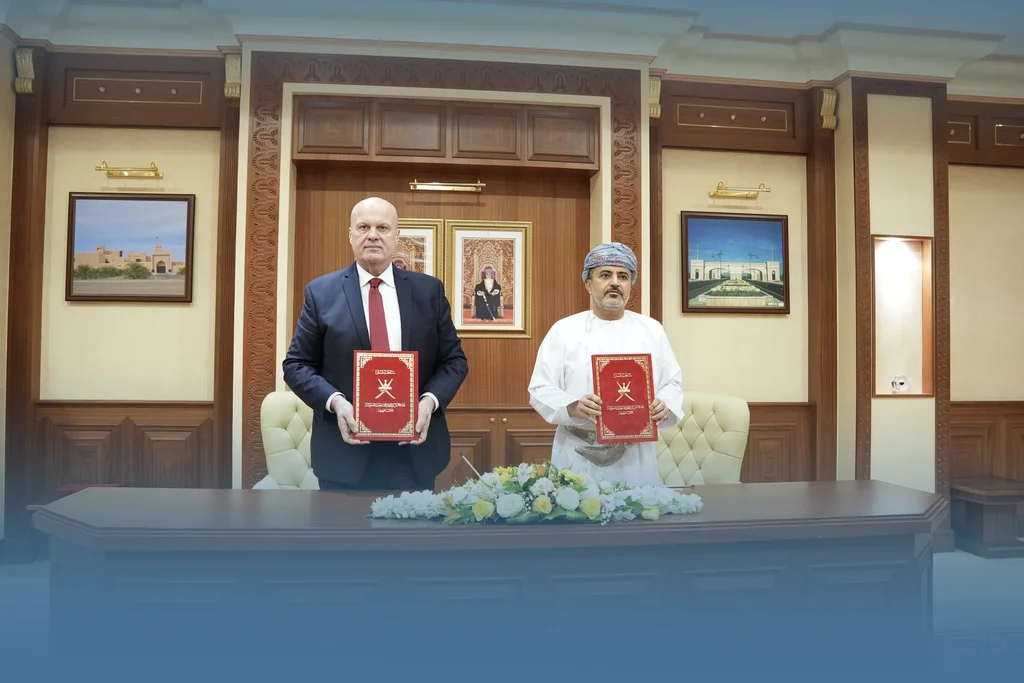


The Minister of Transport, Communications, and Information Technology Meets His Counterparts from Bahrain, Iraq, and...
Date Published: 01 September 2025
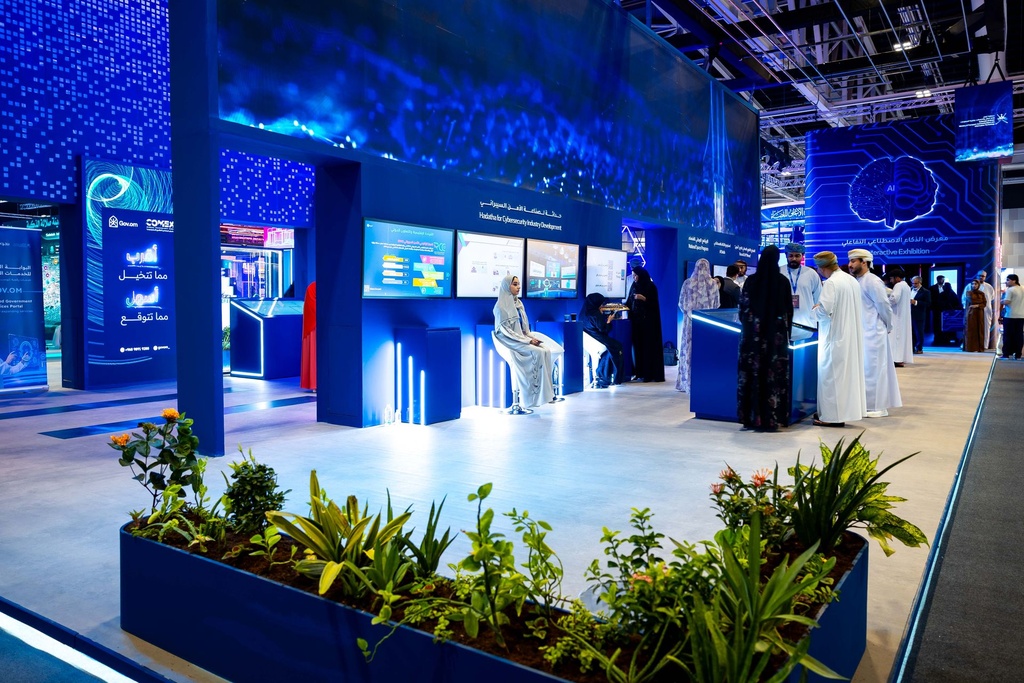
Next Week: Launch of the Global Technology Exhibition “COMEX 2025”
Date Published: 04 September 2025
Launch of COMEX 2025: Announcement of the Green Artificial Intelligence Alliance and Unveiling of the...
Date Published: 08 September 2025

A World of Innovation and Excellence: The Ministry of Transport, Communications and Information Technology Captures...
Date Published: 09 September 2025
With an increase of 45%, COMEX 2025 agreements were valued at OMR 116 million
Date Published: 20 September 2025
Launch of the “Irtiqa” Program to Empower National Talents in Government Digital Transformation
Date Published: 21 September 2025
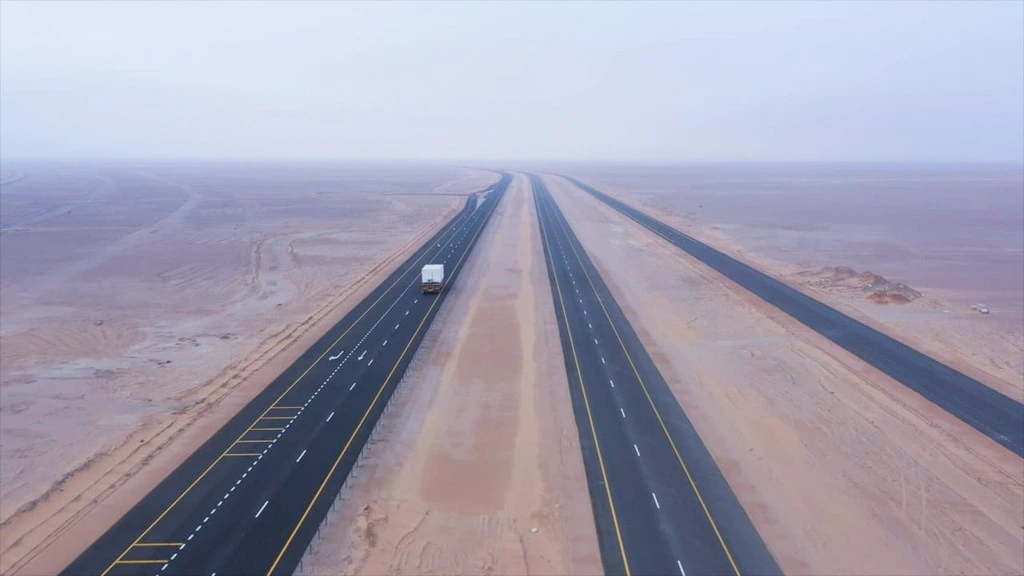
Awarding of Contracts for Completion of Remaining Works on Sultan Said bin Taimour Dual Carriageway...
Date Published: 02 October 2025
Oman Participates in the 29th GCC Ministerial Meeting for Communications and Postal Affairs and the...
Date Published: 08 October 2025

MTCIT Settles Over OMR 1.2 Billion in Private-Sector Dues by End of August
Date Published: 16 October 2025
With an Investment of OMR 152,000… Al Wusta Roads Department Enhances Transport Network Through Ongoing...
Date Published: 26 October 2025
Awarding of the Al Mouj Road Development Project and the Connected Section of 18th November...
Date Published: 28 October 2025
49.6% Completion of the Design and Construction of Aqabat Afri Road and Al-Saqari Village Road...
Date Published: 03 November 2025
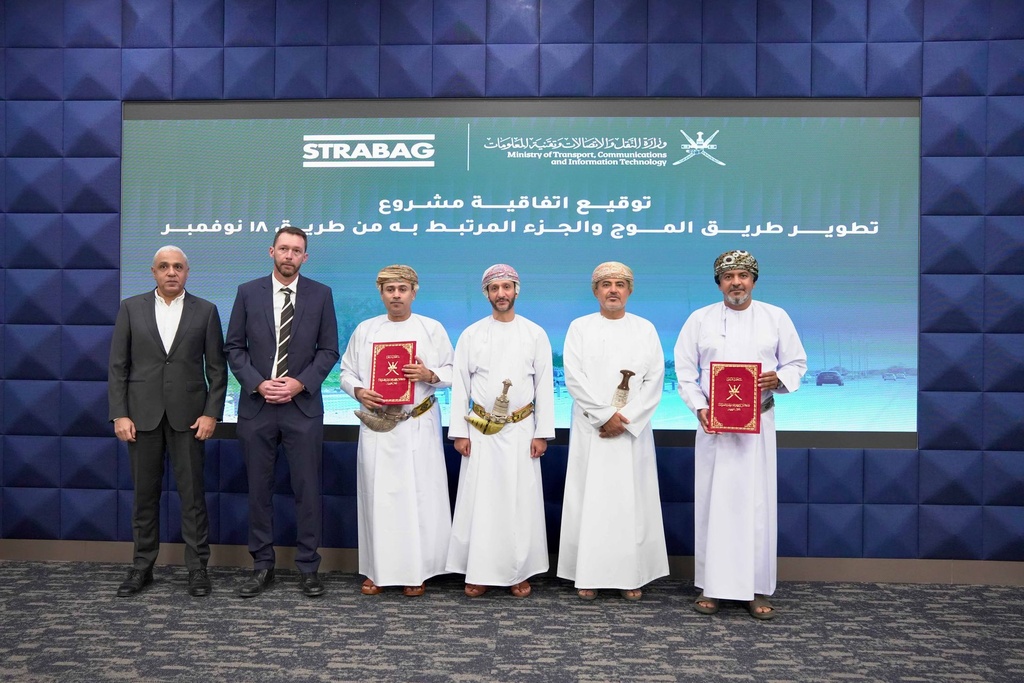
Signing of the Al Mouj Road Development Project Agreement and the Associated Section of 18th...
Date Published: 09 November 2025

MTCIT organises an open data meeting to enhance transparency and support digital transformation
Date Published: 19 November 2025

The Governorates of Muscat and Al Dakhiliyah continue their efforts in digital service empowerment by...
Date Published: 03 December 2025

Conclusion of the "2025 Services Challenge" hackathon and awarding the winning teams
Date Published: 04 December 2025
The curtain falls on the 33rd edition of the COMEX Global Technology Exhibition 2024
Date Published: 01 June 2024
MTCIT launches a framework and tools for change management in government digital transformation
Date Published: 17 December 2025
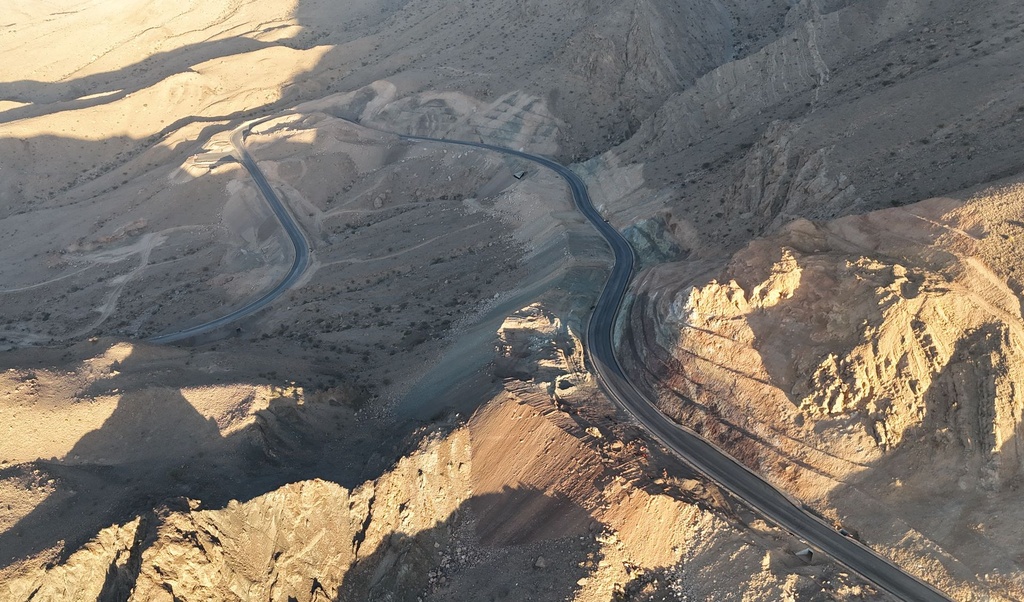
50% Completion Achieved in Wadi Bani Khalid Escarpment Road Project
Date Published: 24 December 2025
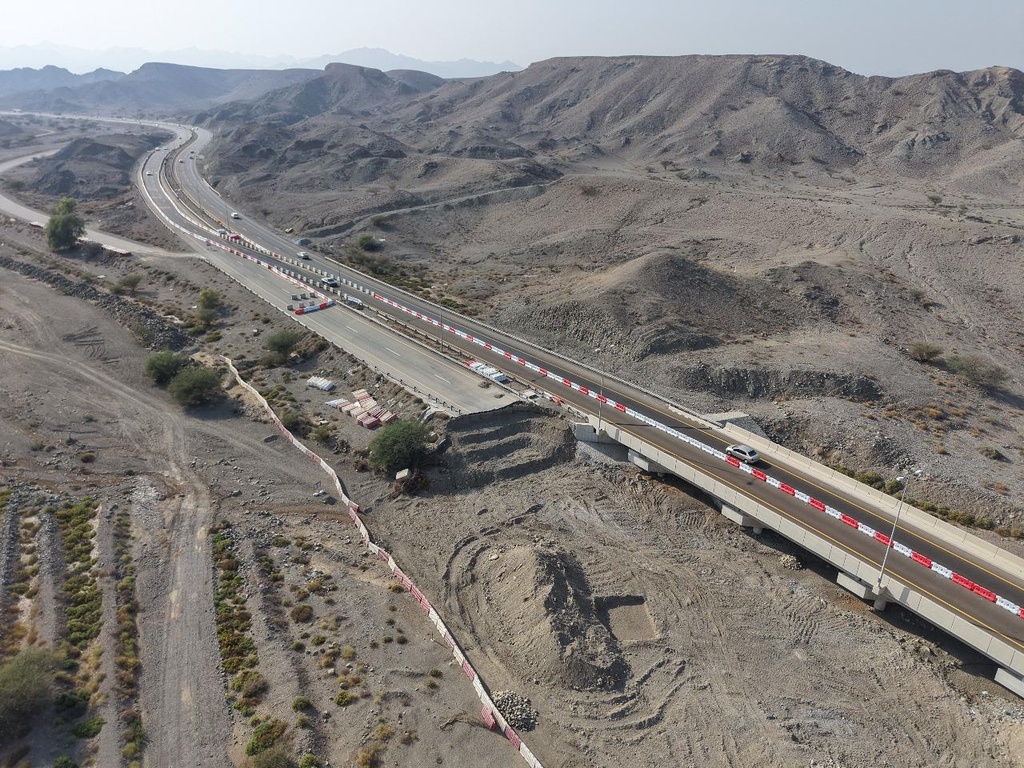
Over OMR 6 Million Allocated for the Construction of Five New Bridges on the Sohar–Al...
Date Published: 24 December 2025

MTCIT Announces Closure of Registrations for the Second Edition of the Digital Excellence Award in...
Date Published: 24 December 2025

60% Completion Achieved on Aqabat Aafri Road and Al Saqari Village Road Project in Al...
Date Published: 01 January 2026
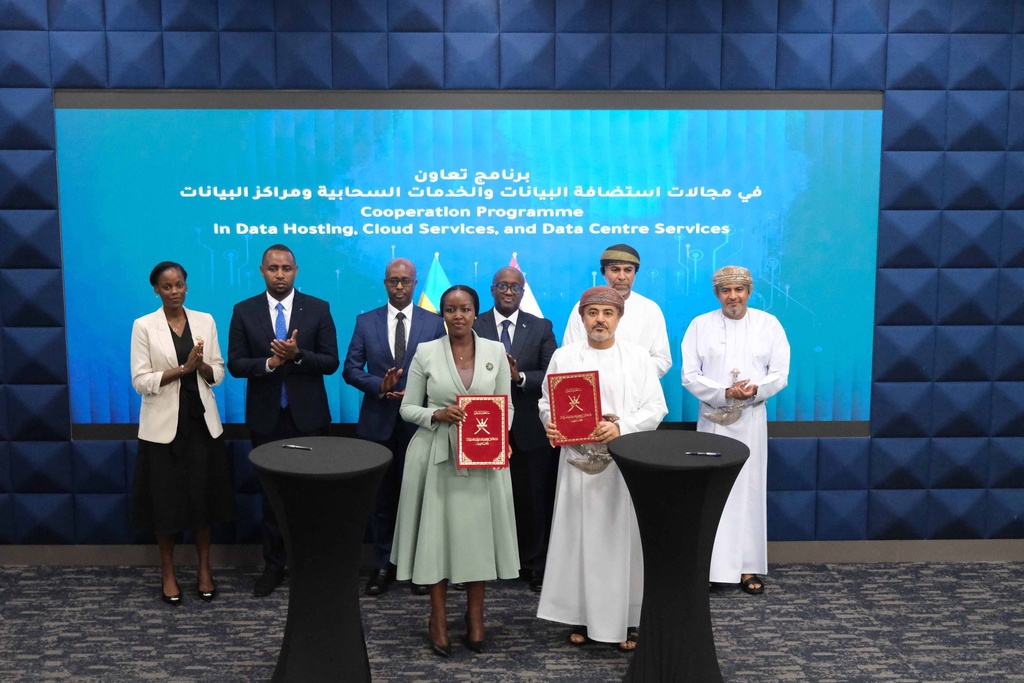
The Sultanate of Oman and the Republic of Rwanda Sign Four Cooperation Agreements
Date Published: 11 January 2026

Launching the Second Phase of the Virtual Tour Feature on Google Maps
Date Published: 14 January 2026
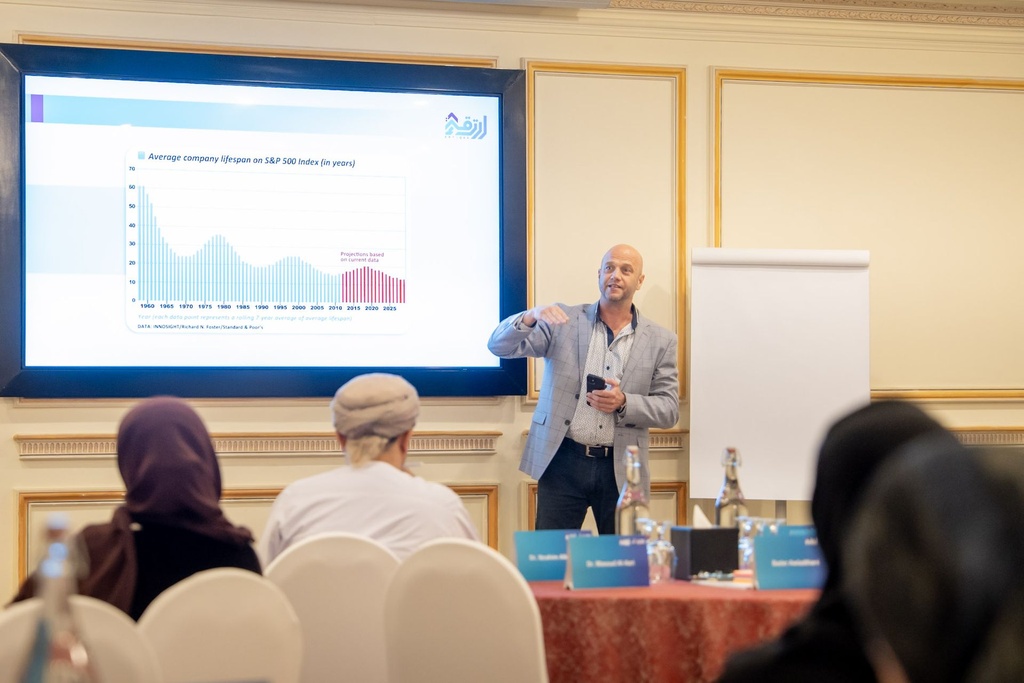
Commencement of Training Programmes under the “Ertiqaa” Programme to Empower National Competencies in Government Digital...
Date Published: 20 January 2026

Launch of the Future Readiness Leadership Forum under the National Programme “Irtiqaa”
Date Published: 01 February 2026

12% Completion Achieved in the Rehabilitation of the Existing Road from Al Hazm to Al...
Date Published: 05 February 2026
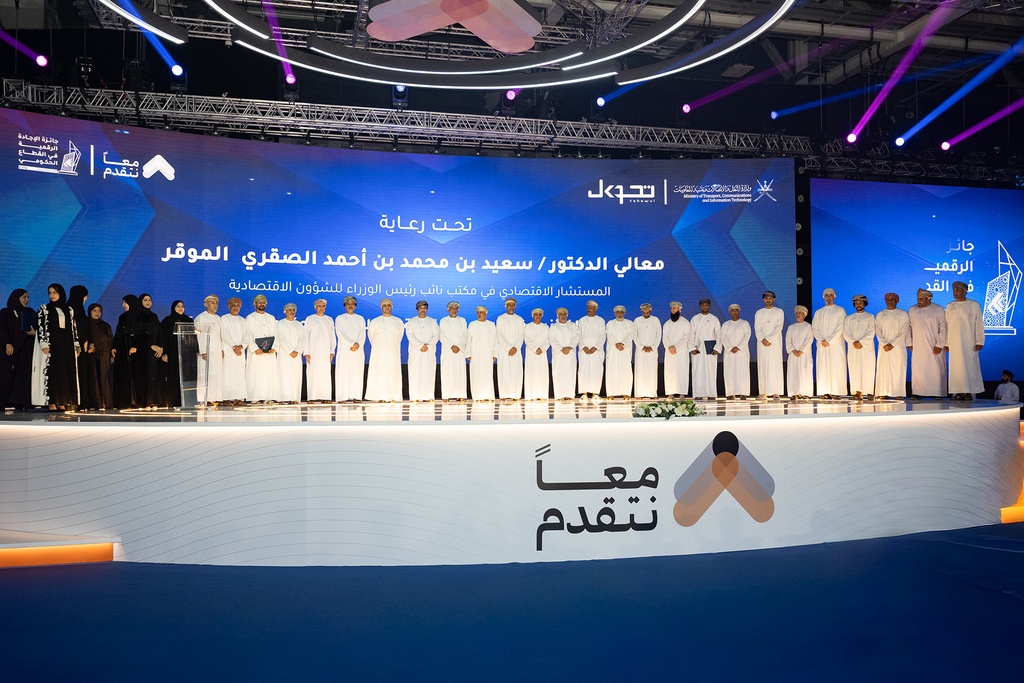
Winners Announced for the Second Edition of the Government Digital Excellence Award 2025
Date Published: 08 February 2026
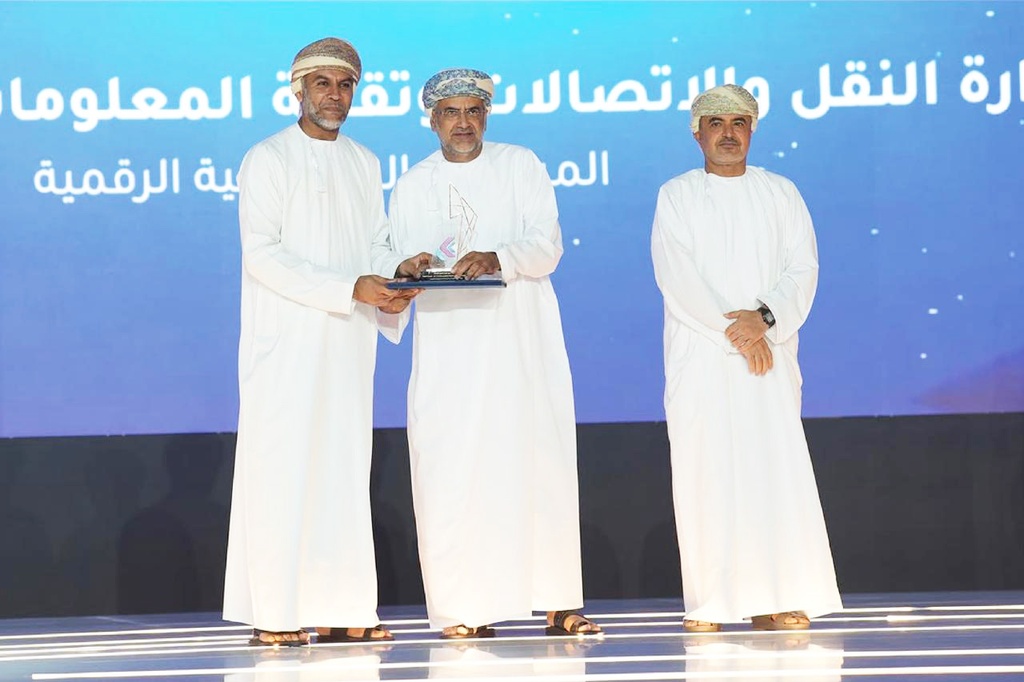
The "Communication and Media" department on the podium at the "Digital Excellence Award" 2025
Date Published: 08 February 2026
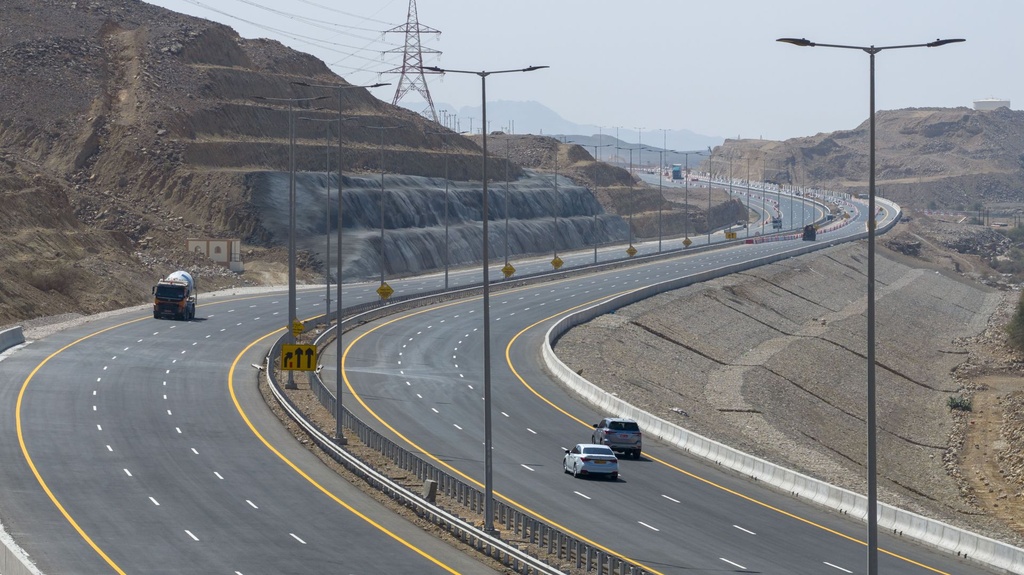
Sultan Turki bin Said Dual Carriageway – Phase 2 Opening (Al Kamil & Al Wafi...
Date Published: 11 February 2026
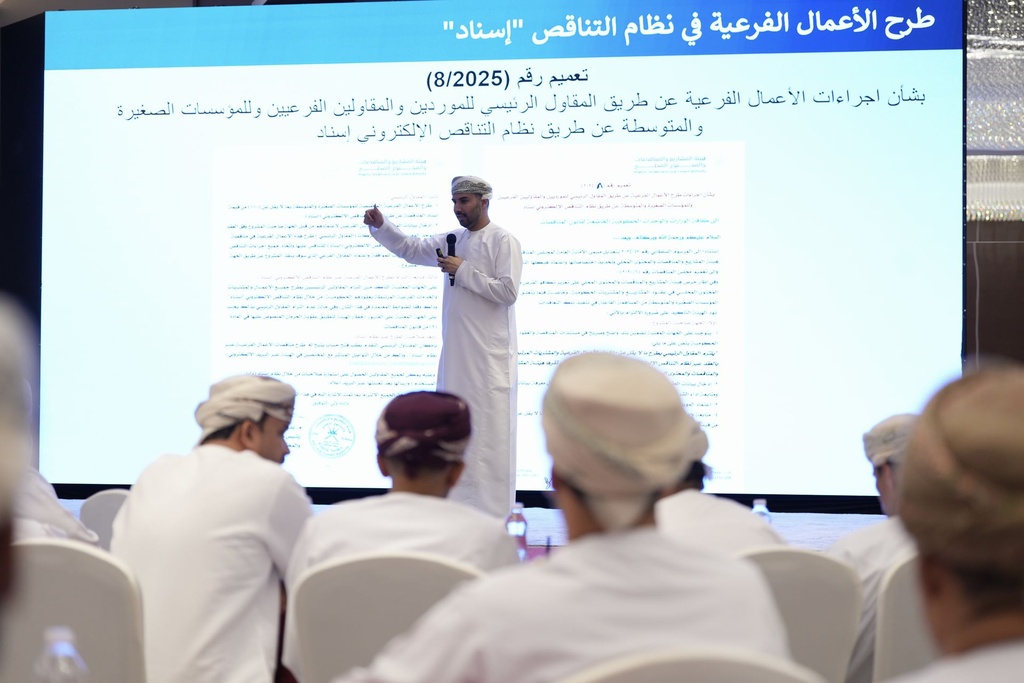
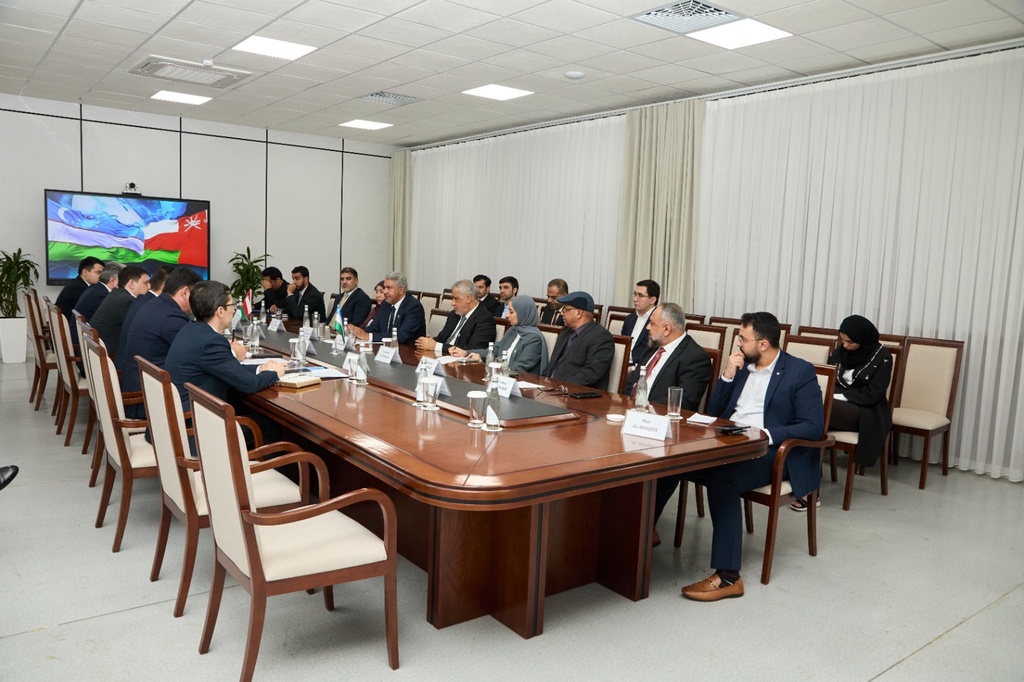
The Sultanate of Oman is exploring the enhancement of logistical integration with the Republic of...
Date Published: 22 February 2026

MTCIT showcases the importance of "DBFOT" investment road projects.
Date Published: 09 March 2026

Completion of more than 2,805 transactions thru digital channels in Al Buraimi
Date Published: 24 March 2026

Review of the Strategy and Framework for Measuring Ejada under the National Digital Transformation Programme...
Date Published: 16 April 2026

75.2% Completion Achieved on Gas Roundabout–Bilad Sur Road Dualisation Project
Date Published: 23 April 2026

Oman, Algeria Strengthen Cooperation in Transport, Logistics and Digital Transformation
Date Published: 07 May 2026

MTCIT wins "Gold" in the Environmental and Social Governance Award
Date Published: 17 May 2026
MTCIT Opens New 7-Kilometre Stretch of Sultan Turki bin Said Road Project
Date Published: 21 May 2026

Oman Wins Global First Place at WSIS Prizes 2026 for Smart Lighting Project
Date Published: 10 July 2026


MTCIT Showcases Efforts to Empower Persons with Disabilities through Purple Saturday Campaign
Date Published: 26 July 2026
Oman and Algeria Strengthen Cooperation in Communications and Information Technology
Date Published: 27 July 2026
Omani Delegation Concludes Algeria Visit with Smart Water Solutions MoU
Date Published: 29 July 2026
Mauritanian-Omani Digitalisation Forum Advances Partnerships for a Sustainable Digital Economy
Date Published: 02 August 2026
More than OMR 200 Million in Local Content in Road Projects
Date Published: 28 September 2026
